Before You Lock the Door: A Second-Home Winter Decision Map for Park City Owners
Before you lock the door and head for the airport, you’re not finishing a chore list — you’re choosing how this house will hold winter while you’re gone.
October is the quiet window for that choice. Park City Public Works frames snow operations from November 1 through April 30, with crews ready around the clock and main arterials first. Owners who leave the Wasatch Back between ski seasons usually set heat, water, vendor, and access plans now — while irrigation blowouts and HVAC service are still easy to book.

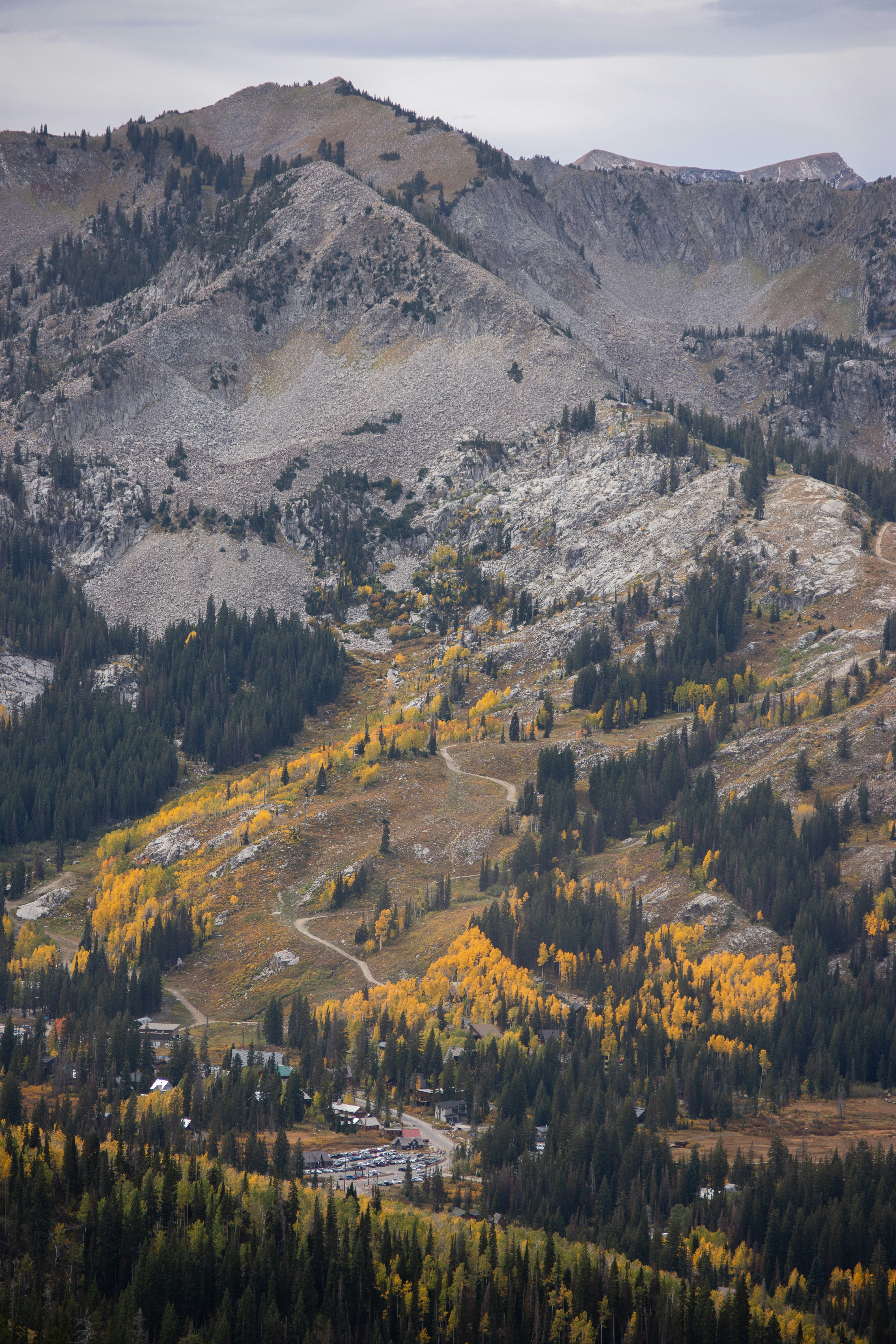
Park City under winter snow — roofs and streets that ask for a heat, water, and access plan before you fly out. Photo: Everwest, Wikimedia Commons, CC BY 4.0.

Start with the winter posture, not the gadget list
The first fork is simple: heat-on with monitoring, or water shut off and drained.
Northern Utah HVAC trade guidance for vacant homes is blunt — leave the system in heat, commonly with a floor around 55°F (often 55–60°F), and don’t shut heat off to “save money” while water still sits in the lines. When heat reliability feels uncertain for a long absence, shutting the main and draining is framed as the surest freeze protection. That’s trade practice — see Salmon HVAC’s vacant-home notes — not a city ordinance with a single legal setpoint.
If you keep heat on, plan for outages: who gets the alert, who can open the door, and whether a modem or thermostat stays powered. If you drain down, someone still needs to know the main shutoff and how your HOA handles exterior work. Pick the posture first; the logistics follow.
Then decide who can reach the place
Storms, power loss, and HOA gates don’t care that you’re in another time zone. Before you leave, name the person (or property manager) who holds spare keys or codes, can walk the unit after a hard freeze warning, and knows how to talk to your association.
Gate codes, vendor parking, snow-storage easements, heat-tape rules, and check-in cadence are CC&R and rules territory — they vary by community. Park City’s Building Department is clear that CC&Rs are enforced by the HOA, not the Building Department; exterior work in a registered HOA can trigger City HOA notification forms on permit work. Start with your association docs; use the City process if you’re permitting anything outside.
This is access logistics. It’s not an occupancy-license conversation, and it’s not a citywide HOA winter schedule — there isn’t one.
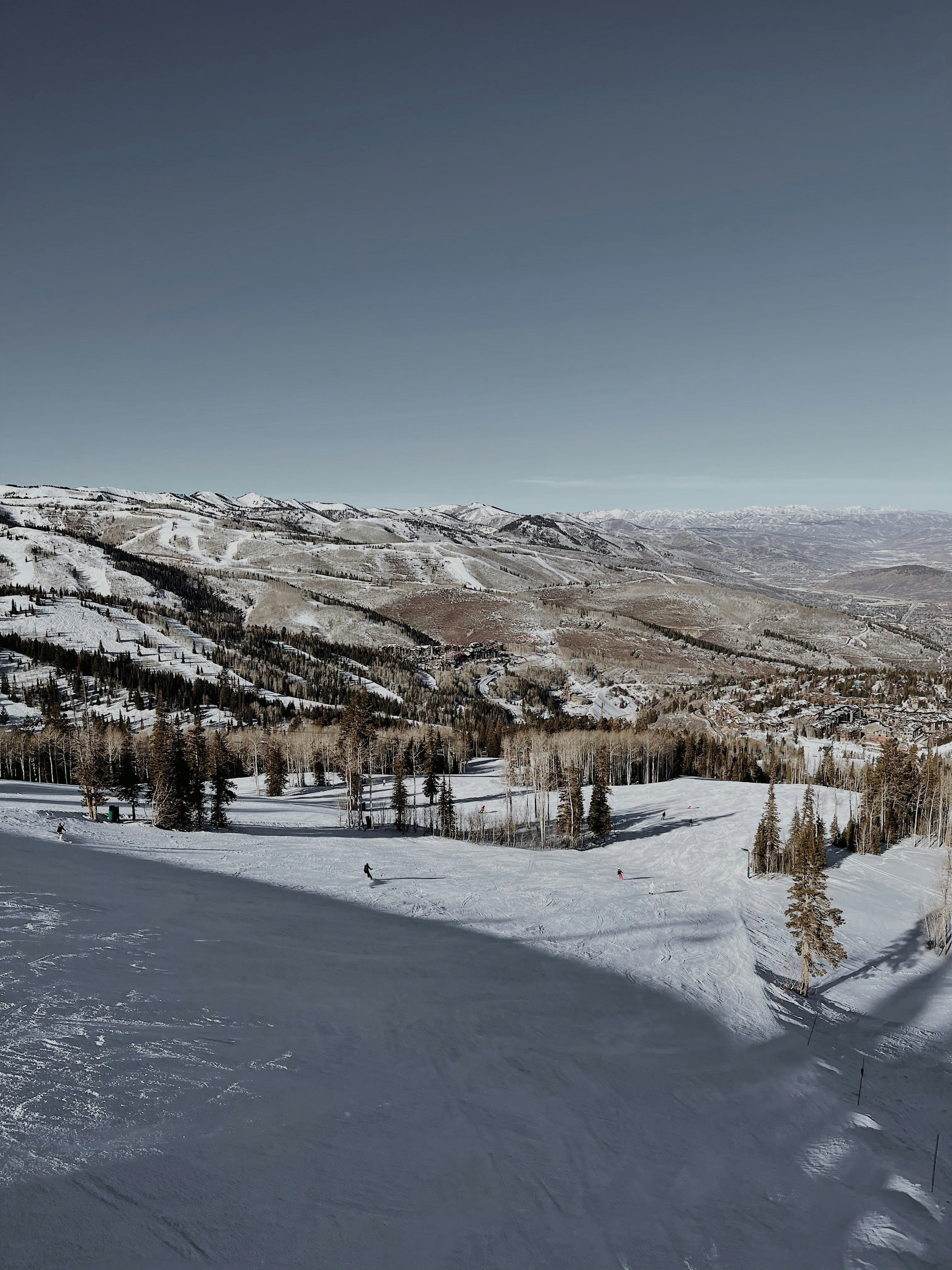
Wasatch snow above Deer Valley / Park City — the months when access and monitoring matter as much as the thermostat. Photo: Kyle Austin / Unsplash.
Pipes, hose bibs, and outdoor water
Once heat-on or drain-down is settled, walk the water path. Disconnect and drain hoses. Cap or shut outdoor bibs the way your plumber recommends. Confirm irrigation has been blown out for the season. If you’re draining the house, follow a clear shutoff-and-drain sequence for the main and fixtures — and leave notes for whoever might enter midwinter.
What you won’t find is one official Park City winterization mega-checklist merging pipes, heat, gate codes, vehicles, and smart-home alerts. City materials cover snow duties, building/HOA process, and water freeze tips when available — not a lock-and-leave master list. Treat the steps below as an owner planning frame, then confirm setpoints and vacancy rules with your insurer and plumber.
Snow season realities that touch your address
From November through April — specifically November 1 through April 30 in the City’s Snow Removal Guide (as of Sep 15, 2026; reconfirm that PDF nearer publish) — Park City’s snow page and the Guide describe the operating window: arterials and bus routes first, residential streets later. Driveway windrows are common; pushing snow back into the street is prohibited.
If a fire hydrant sits at your perimeter, mark and uncover it so it’s clear not less than three feet on all sides, within 72 hours after burial by plow windrow or drift (Municipal Code § 14-4-10). Sidewalk duties are tiered — Tier I City / Spine, Tier II owner within eight hours after a storm, Tier III often snow storage with no clearing requirement. Private streets inside city limits put “regular and adequate” removal on associations and abutting owners served by those streets — roadway cleared to 20 feet width within eight hours after a storm that drops four inches or more (Municipal Code § 14-4-2 and § 14-4-3). Re-check live Municode text before you rely on any single PDF excerpt.
Outside city limits, Summit County expects owners and associations to store snow on-site (or on another private parcel with permission); dumping private-property snow into the traveled public way so it impedes traffic is unlawful. If your second home sits in unincorporated county geography, that store-your-snow rule is the one that matters for driveway and HOA plow contracts.
Roof and ground snow load are site-specific here. The City’s 2026 Design Criteria points residential work to the USU ground snow load map and lists a wind design speed of 115 mph with a mean annual temperature of 42°F. HOA snow and roof-load questions can wait for another day; today’s ask is simpler — know which plow and hydrant duties attach to your parcel before the first big storm.
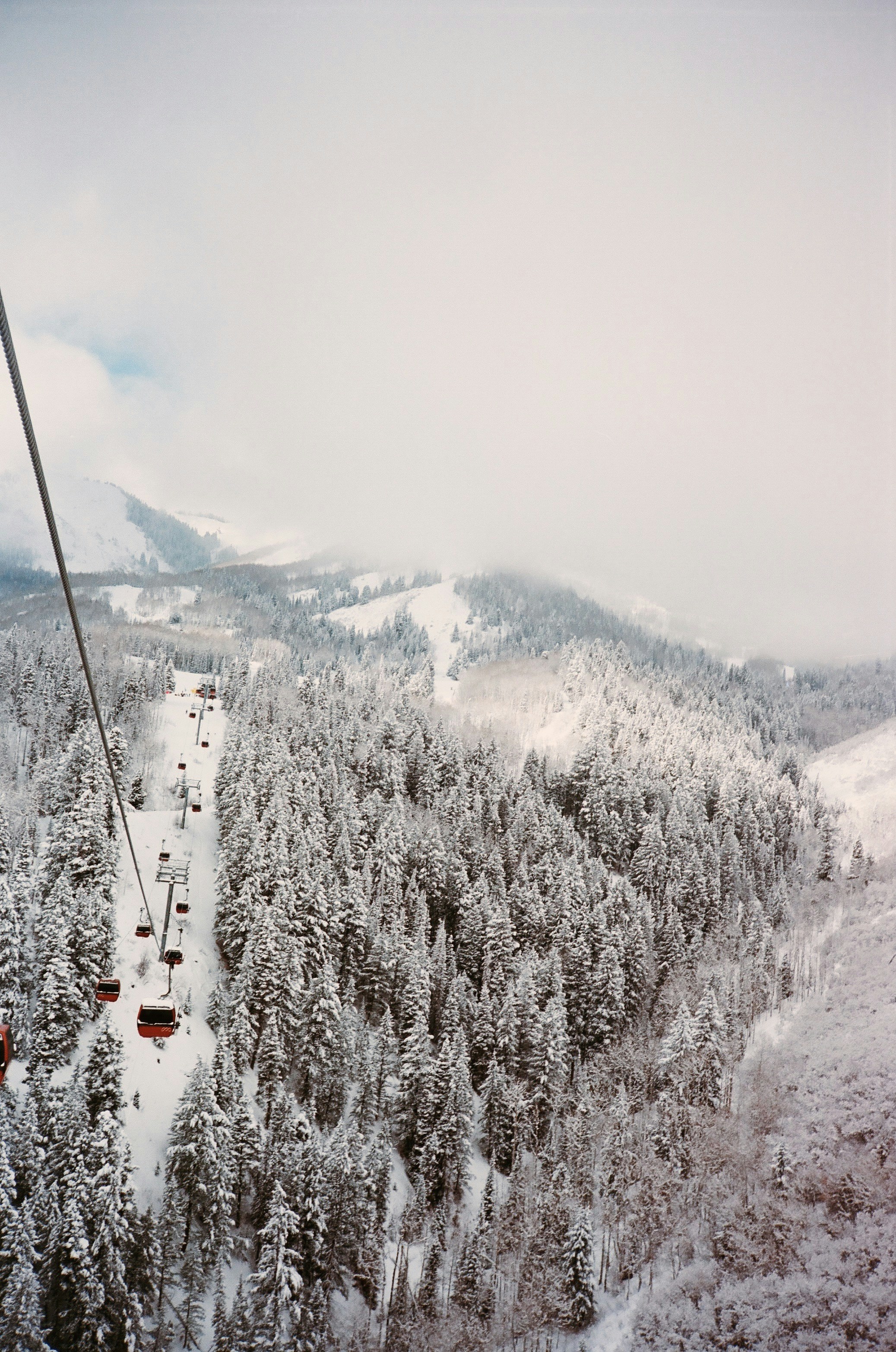
Park City winter lift lines — useful calendar cue for when snow ops and lock-and-leave plans are already underway. Photo: Mollie Moran / Unsplash.
The car you left in the driveway
If a vehicle stays behind, fold it into the same departure plan: fuel stabilizer if it’ll sit, a battery tender or disconnect, cold-morning tire pressure, and coolant mix for mountain nights. That’s general storage practice — not a Park City Municipal requirement — but it saves a scramble when you fly in and the battery is flat under a windrow.
Know where the car can legally sit once plows start. HOA rules and private-street clearing width matter more than a generic “leave it here” instinct.
Monitoring you’ll actually watch
Leak sensors, auto shutoff valves, thermostat apps, and a modest UPS for the modem are common lock-and-leave tools. None of them are City-mandated. Use what you’ll actually watch — and make sure the person with keys can act when an alert lands at 2 a.m. mountain time.
Second-home financing language, in plain English, expects the property to stay suitable for year-round use, with the borrower in exclusive control and occupying for some portion of the year — see Fannie Mae’s occupancy types. That’s eligibility context, not permission to ignore heat and water. Your insurer’s vacancy and heat-minimum terms still control the policy; those windows are policy-specific, not a Utah statute.
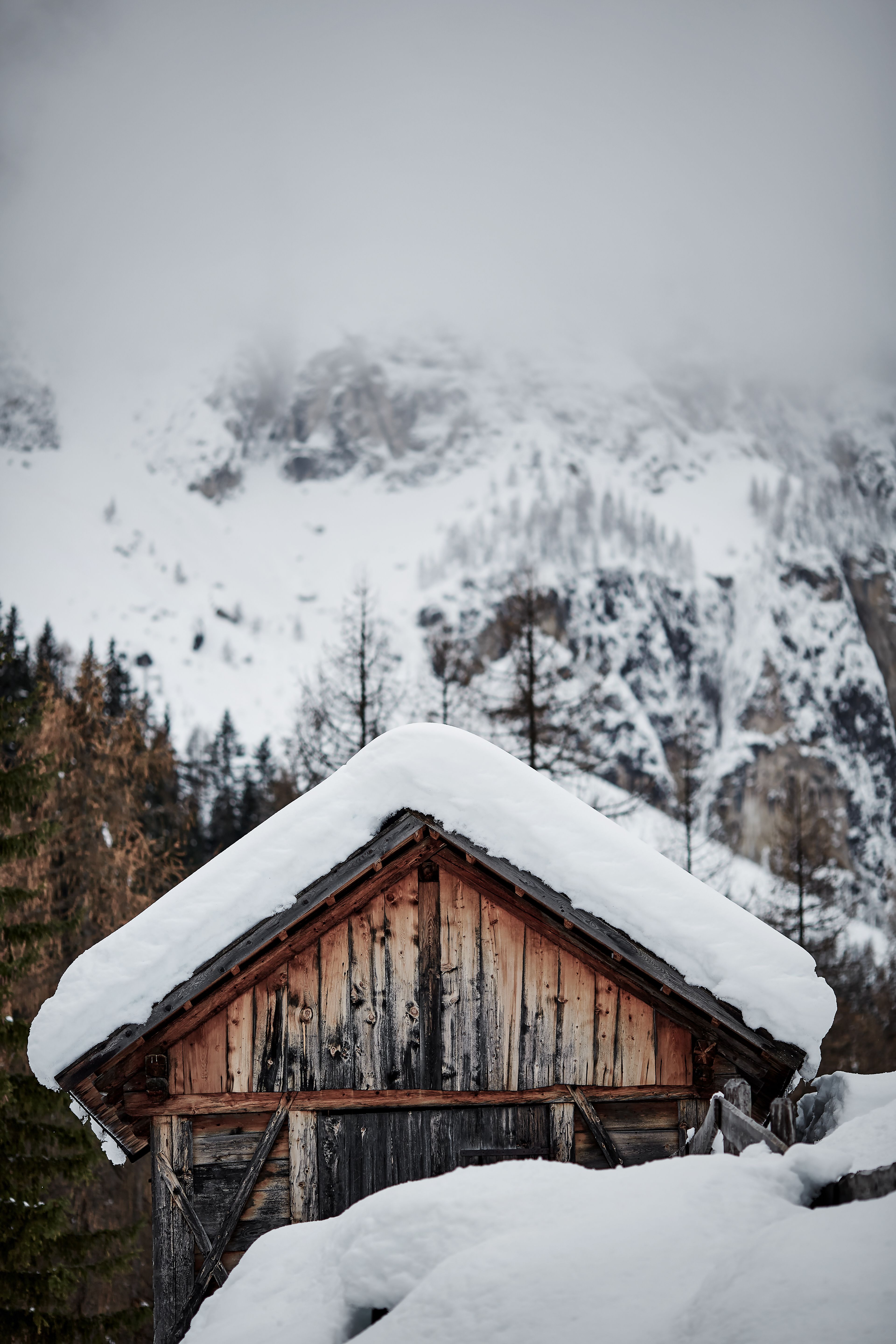
Snow-loaded mountain cabin roof — illustrative lock-and-leave setting, not a listed Park City address. Photo via Pexels (license-free stock).
An owner decision map you can take to the kitchen table
Use this as planning order — not as City code:
- Heat-on with monitoring, or shutoff and drain? Match the choice to how long you’ll be away and how reliable power feels at that address.
- Who holds access? Keys, gate codes, HOA contacts, and a midwinter walk-through person.
- Water path closed for winter? Hoses, bibs, irrigation blowout, main shutoff notes.
- Snow duties on this parcel? City hydrant and sidewalk tier, private-street association rules, or Summit County store-on-site if you’re outside city limits.
- Vehicle and monitoring? Where the car sits, how alerts reach a human who can enter.
Pull your CC&Rs and insurance declarations beside that list. The association and the policy write the details for that building — pull them beside this list.
What to decide before you lock the door
October is when second-home owners in Park City choose a winter posture — heat-on or drain-down — then line up access, pipes, snow duties, and the car left behind. City snow rules and HOA process give you the outdoor frame; trade heat guidance and your insurer fill in the indoor one. Decide in that order, and the chore list stops feeling like a scramble.
If you want help reading HOA winter rules or mapping vendor and access questions for a specific Park City address before you lock the door, I’m glad to walk through the docs with you.
Talk with Esteban J. Nunez — Park City Realtor.
Categories
Recent Posts