Snowmelt and heated walks: reading mid-season HOA special assessments
The envelope arrives mid-season: a special assessment notice, and somewhere in the packet you see snowmelt, heated walks, a boiler, or a manifold repair. You’re not asking who plows the private road tonight. You’re asking whether this is capital work, a reserve shortfall, or a one-off winter-ops overrun — and whether you should panic before you’ve read the minutes.
This is mid-season HOA special-assessment literacy for heated hardscape: cash flow, reserves, and the resolution language, so you can decide before you wire anything. It is not the October map of who clears roofs and sidewalks.

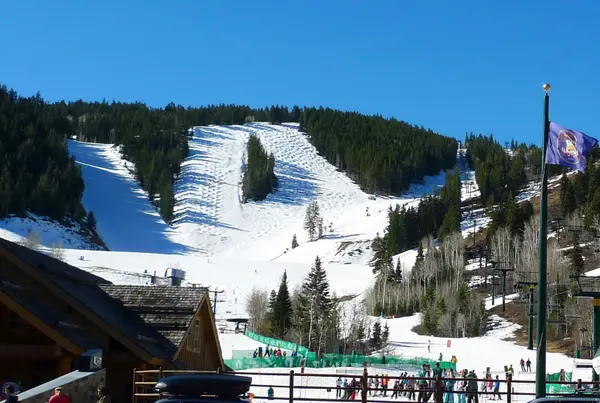
Winter hardscape — special assessments often fund capital systems, not just one storm’s plow bill. Photo: Pexels / Pexels License.
Why heated walks show up once freeze-thaw starts
Park City Municipal snow-ops run November 1–April 30. City sidewalk tiers (Tier I: city; Tier II: property owner; Tier III: none) are a municipal map — heated walks and driveways live in private systems and HOA common-area budgets, not under a citywide heated-sidewalk mandate. Check the city’s snow removal page for the ops season; treat snowmelt capital as association-specific.
Hydronic and electric snowmelt systems are common on steep Wasatch Back properties. When freeze-thaw and plow season arrive, boards often surface failures, replacements, and walkway capital items that sat quiet through summer. PCM’s target opening around Friday, November 20 can raise common-area wear questions — skiing isn’t required for this literacy; it’s just the calendar pressure.
Thanksgiving Thursday, November 26 also matters: boards and managers may slow, and assessment notices can collide with holiday mail and travel.
What Utah’s homebuyer checklist wants you to ask
Utah Commerce’s HOA Homebuyer Checklist is blunt in a helpful way. Ask how often the association issues special assessments, what the last one cost, and whether any upcoming, discussed, approved, or unpaid specials are on the books. Also ask what the financials show for reserves and when the reserve analysis was last updated. The statute pattern is a reserve analysis at least every six years, with review/update at least every three years.
Under a standard REPC, upcoming special assessments can be negotiated between buyer and seller. Association and manager responses to document requests are commonly framed around a roughly 14-day clock in Commerce education materials — relevant when you need minutes and budgets mid-holiday.
The owner’s duty to pay assessments sits within Utah’s Community Association Act frame, including §57-8a-201 and parallel condominium provisions. Special-assessment authorization, notice, and installments live primarily in the declaration, bylaws, and board resolution. Always verify your association’s rules — there isn’t a statewide dollar cap to quote from a blog.
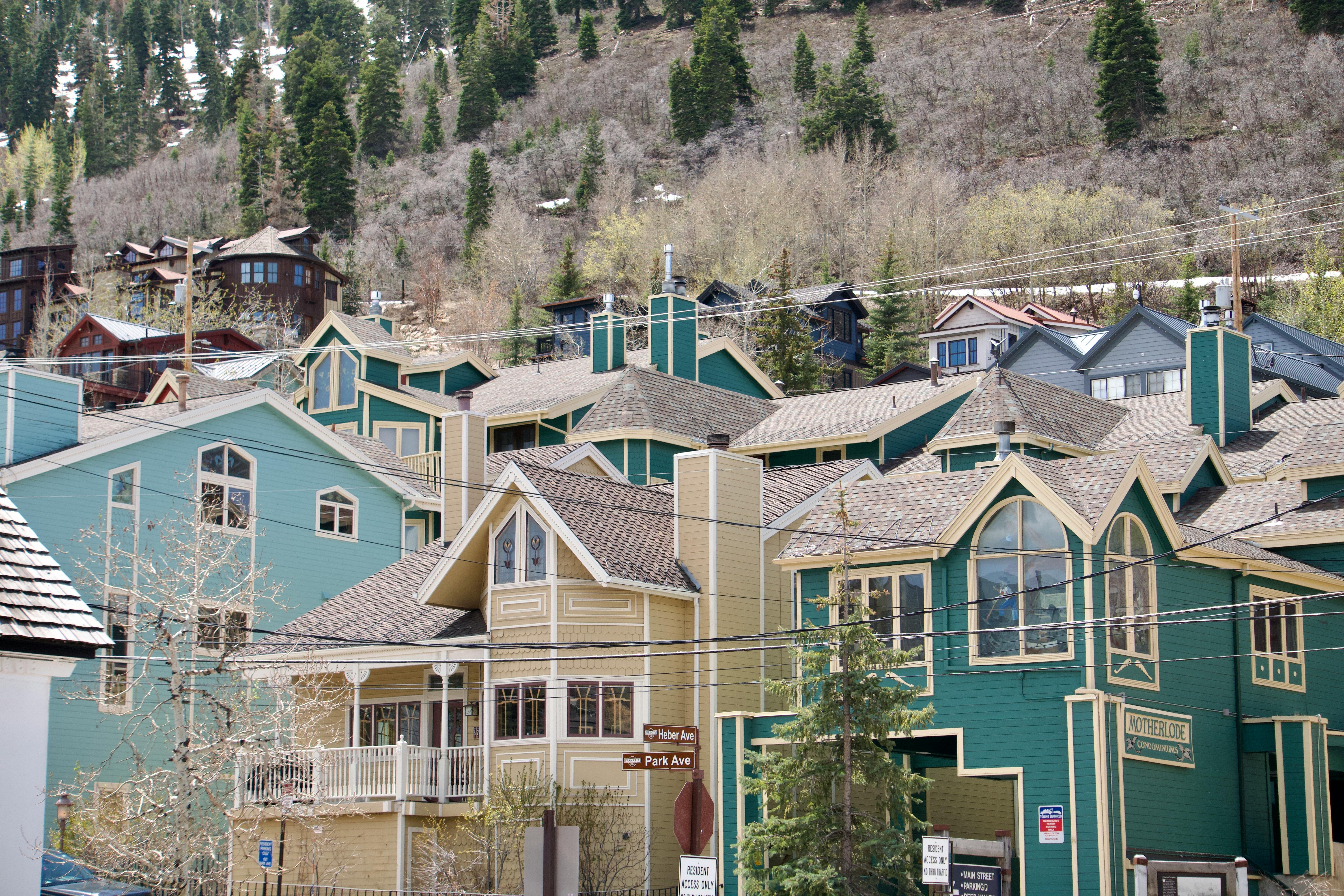
Shared walks and entries — read the assessment notice against the reserve study. Photo: Pexels / Pexels License.
Capital project, reserve gap, or ops overrun?
Before you treat the invoice as a winter scare, sort the notice into one of three buckets:
- Capital snowmelt install or repair — a named system, a bid trail, and a board resolution that reads like a project, not a storm bill.
- Reserve shortfall — the reserve analysis date is stale, or the study already flagged the heated-surface life cycle and the special is catching up.
- One-off winter ops overrun — hauling, contractor overtime, or an emergency patch that blew the operating line.
Historical literacy helps without becoming a template. In 2023, Prospector Square POA members approved a $1.6 million Phase 3 master-plan assessment (parking, landscaping, sewer — not a heated-walk invoice), and contemporaneous coverage also noted snow-removal/hauling budget overruns that year. Useful only as proof that associations do levy capital assessments and that snow ops can blow operating budgets — never as a 2026 snowmelt “average.” Read the KPCW Prospector coverage as a labeled-year example, then return to your packet.
Label the association’s geography
Municipal sidewalk tiers and county private-road rules differ by where the association sits. If you’re talking about “Park City” assessments, say whether the building is in Park City Limits (Ar 1–9), Snyderville Basin (Ar 10–23), or another PCBOR slice — the PCBOR hub keeps those labels honest. Private-club assessments are a different governance stack; clubs aren’t ski resorts.
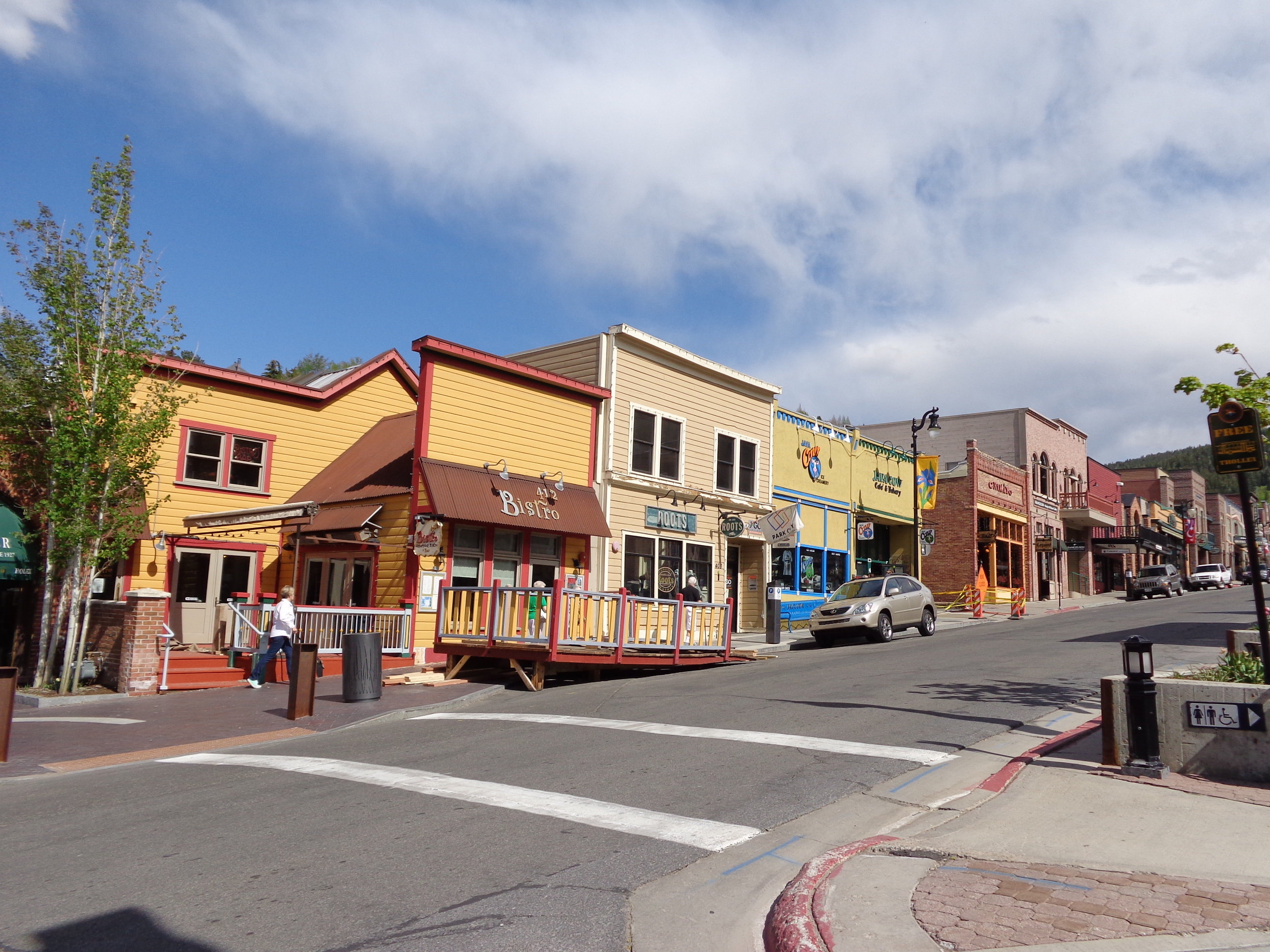
City sidewalk tiers aren’t HOA snowmelt capital projects — illustrative streetscape. Photo: Wikimedia Commons.

What I’d pull before you wire or renegotiate
Bring the notice, the board resolution, the latest reserve-analysis date, and the minutes where the item was discussed. We’ll sort capital vs. ops, note whether REPC negotiation still has room if you’re under contract, and keep installer marketing out of the conversation — this is packet literacy, not a vendor pitch.
Heated walks are a systems decision and a cash-flow decision. The calm move is reading the resolution before you react to the dollar line.
Educational only — not legal advice. No guessed 2026 HOA snowmelt assessment averages. Association-specific dollars only. Confirm board timing nearer publish if you tie language to opening week.
Talk with Esteban J. Nunez — Park City Realtor. Happy to walk through your association packet for pending assessments before you price or close.
Categories
Recent Posts