Before you bind: wildfire map, winter vacancy, and deductible questions for second homes
You’re days from binder — or renewing a second-home policy before ski season — and the packet is full of words that don’t mean the same thing in every carrier’s system: wildfire, WUI, vacancy, freeze, deductible. The useful move isn’t to guess a premium. It’s to ask four calm questions about this address before anyone binds coverage.
Mid-November sits between City snow-ops (from Nov 1) and Park City Mountain’s Friday, November 20 target opening. That’s when a lot of Wasatch Back buyers and renewing owners finally sit down with insurance. Thanksgiving week (Thursday, November 26) can quiet some desks, so leaving bind questions for the holiday blackout is a stress you don’t need.
This is insurance literacy — map lookup, deductible structure, vacancy conditions, and how Utah’s mitigation fee differs from your premium. It’s not a condo-vs-SFH carrying-cost table, not a roof snow-load design note, and not a winterization systems checklist. Those live on their own dates. No scare headlines. A blog average isn’t a quote for this address.

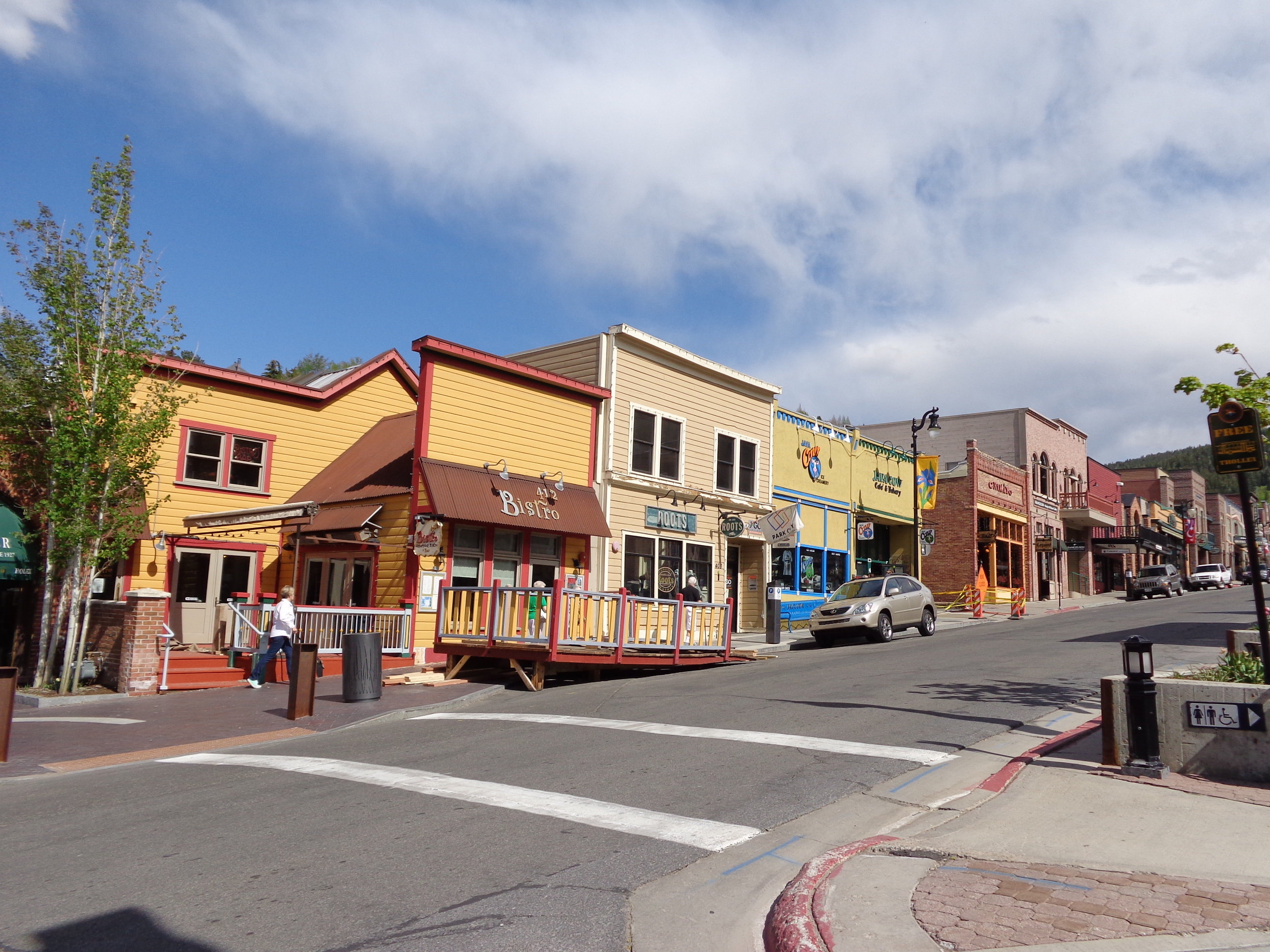
Second-home winter streetscape — bind coverage for how the house is actually used. Illustrative; not a listing. Photo: Alex Moliski / Unsplash License.
Look up the address on Utah’s High-Risk WUI tools
Start with the official map, not a rumor about “the whole mountain.” Utah’s High-Risk Wildland Urban Interface (WUI) dataset identifies areas with a Structure Exposure Score of 7 or higher and at least two structures within 250 meters (about 820 feet). The state’s framing is clear: properties inside that high-risk boundary are the fee universe under the High-Risk WUI Property Program, and casualty and property insurers are required to use this boundary when labeling a property as “high risk wildland urban interface.”
Open the public tools at wildfirerisk.utah.gov and look up this parcel. State and press coverage of the first map rollout talked about on the order of ~60,000 structures statewide in high-risk categories — useful as an order of magnitude, not a Summit County average you can apply to your street. Boundaries can be petitioned or amended. Nearer publish — and again the week you bind — re-open the Risk Explorer for the subject address; don’t rely on a screenshot from last month.
We talk about the map as an address-level quote input. We don’t rank neighborhoods as “safer” or “riskier” as lifestyle advice — that kind of steering isn’t how this conversation works.
Fee timeline ≠ insurance premium
Utah’s program (HB 48, with later adjustments) created a mitigation fee path that is easy to confuse with what you pay a carrier. Reporting on HB 41 (signed around March 2026) delayed the annual high-risk WUI fee start from January 1, 2026 to January 1, 2027. Nearer publish, confirm that start date is still January 1, 2027 on a current state or reputable local brief — timelines can move. Early descriptions of the fee band often land around ~$20–$100 per structure (square-footage based in early years) — and that is a program fee, not a quote for dwelling coverage.
When you sit with your insurance professional, keep two columns: (1) what the carrier charges for the policy, and (2) whether this address sits in the state’s high-risk WUI fee universe starting in 2027. FFSL’s community preparedness materials and the GIS product page are the clean places to re-read the frame. The fee column is not your premium column.

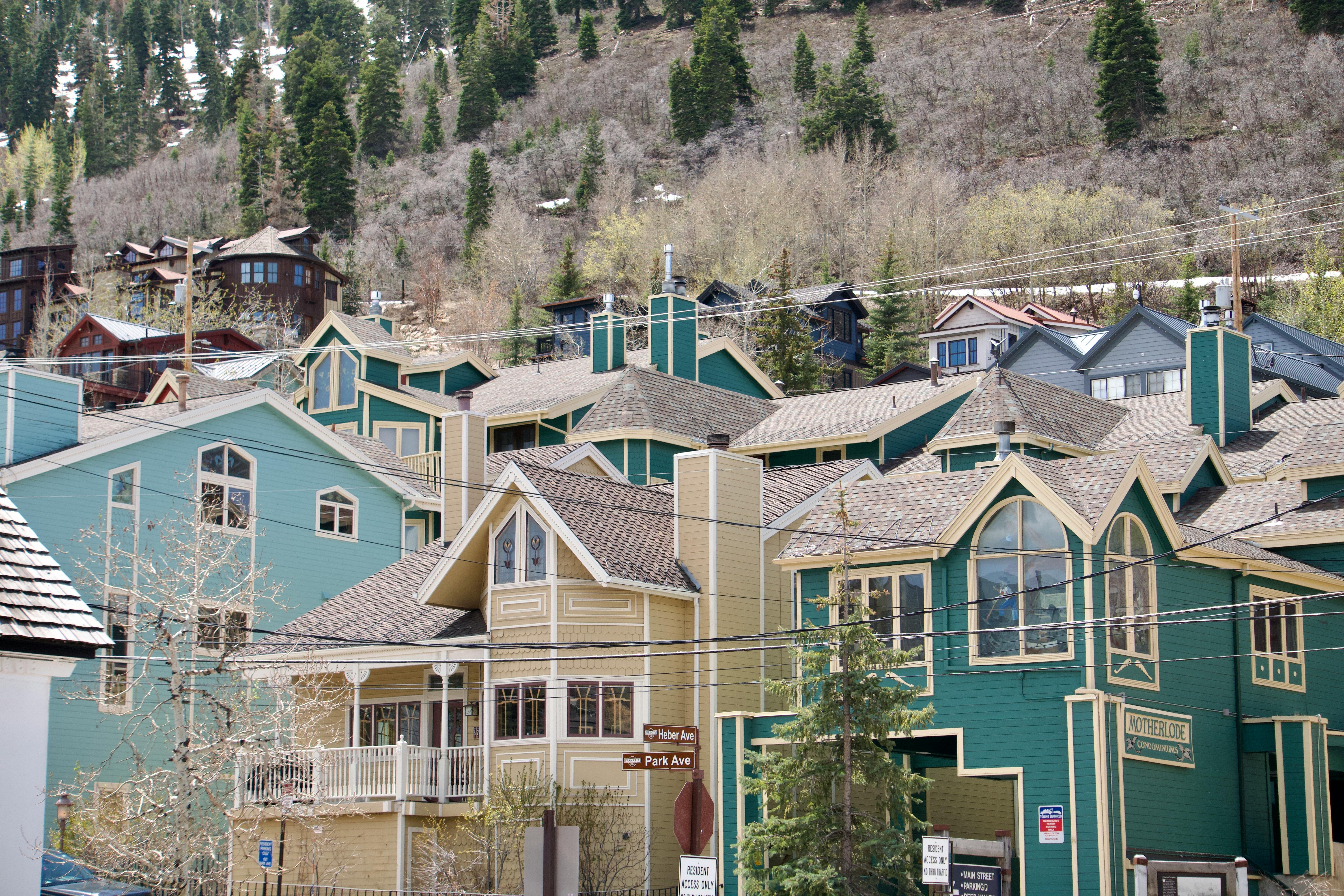
Mountain housing in snow — vacancy and freeze conditions are underwriting questions, not fear copy. Photo: Wikimedia Commons / Park City Utah Aerial View in Winter 2024.

Ask how wildfire sits on the form
Wildfire deductible structure is carrier-specific. Some high-country placements use a separate wildfire deductible (sometimes framed as a percentage of dwelling limit, analogous to named-storm deductibles elsewhere). Others fold wildfire into the named-peril stack with a standard deductible. You won’t get the truth from a blog average — you get it by asking, on the quote:
- Is wildfire included as a named peril, or handled on a separate schedule?
- Is there a separate wildfire deductible, and is it dollars, a percentage of dwelling, or both?
- What is the replacement-cost basis for the dwelling and for other structures?
- How do snow-load, ice dam, and water-damage conditions interact with winter occupancy?
Write the answers next to the address. If two carriers describe wildfire differently, that’s the comparison — not a headline about “Park City rates,” and not a reason for this post to name a preferred agency.
Winter vacancy and freeze conditions for second homes
Second-home and vacation-home forms often underwrite vacancy and freeze risk differently from a primary HO-3. Industry guidance (label it as such) commonly points to heat-maintenance expectations, water shutoff practices, low-temperature monitoring, and documented caretaker checks when the house sits empty between trips. Secondary homes can carry occupancy conditions that matter the first time you leave for three weeks in January.
Before binder, ask your licensed insurance professional:
- What temperature or monitoring conditions apply if the house is vacant more than X days?
- Does a smart thermostat or water sensor help meet the condition — and what documentation do they want?
- Is caretaker verification required, and how often?
- If you later add nightly rentals, does this form still fit — or do you need a different policy form?
That last point is an ops flag only: a standard homeowners form may exclude commercial lodging activity. License geography for nightly rentals is its own map; don’t deep-dive STR pricing here — just don’t bind the wrong form for how you’ll actually use the house.

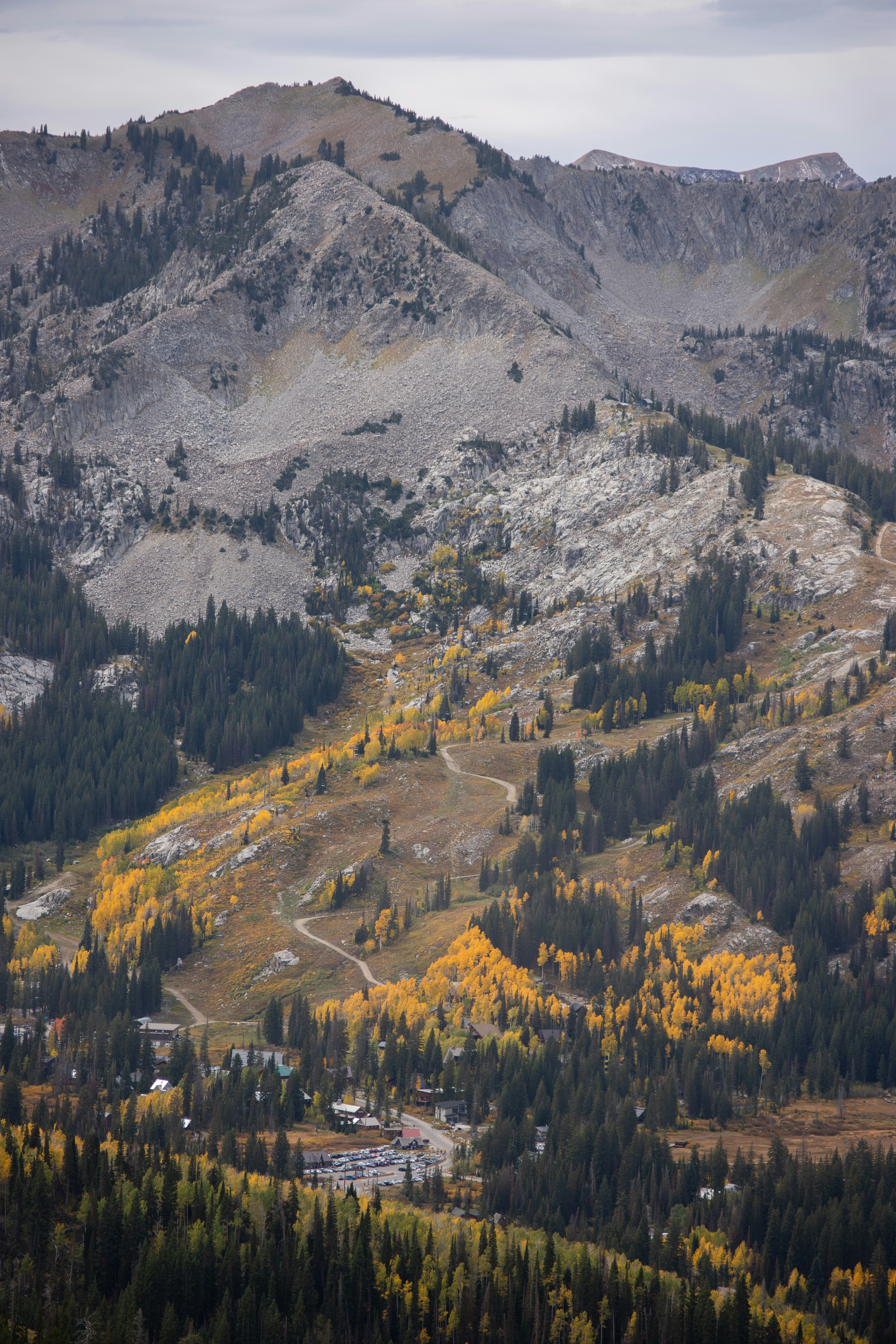
Lock-and-leave exterior — ask about monitoring and caretaker conditions before binder. Photo: Unsplash / Unsplash License.
A bind-day checklist you can hand your agent
Keep it short and address-specific:
- Screenshot or note the live Utah Wildfire Risk result for the parcel (re-check nearer publish and the week you bind).
- Confirm whether the carrier labels the property high-risk WUI under the state boundary.
- Separate the 2027 program fee conversation from the premium quote — fee ≠ premium.
- Get wildfire deductible structure in writing on the quote summary.
- Confirm vacancy, heat, water, and caretaker conditions for winter second-home use.
- Flag STR or guest-income plans so the form matches the use.
Roof snow-load engineering and building-design criteria are inspection and design questions — useful if the carrier asks, but not the same thing as an insurance endorsement. Private club membership, if any, stays off this checklist; clubs aren’t ski resorts, and a season pass isn’t a policy form.
You choose your licensed insurance professional on the contract. I’m glad to help you list the geography and timing questions for your address so that conversation stays clear — without steering which carrier or agency settles the policy.
Talk with Esteban J. Nunez — Park City Realtor.
Categories
Recent Posts