Who Clears What: HOA Snow Season and Roof Load Reality in Park City
The first big storm will ask a simple question you do not want to answer from a flight delay: who clears the private road, the shared walk, your entry — and who owns the snow sitting on the roof?
October is when you pull that map. Park City’s high-tempo plow window runs roughly November 1 through April 30. Contractors get booked, overnight parking bans kick in, and lock-and-leave owners need a clear line between City, County, association, and the square footage that stays yours. This is not a dues spreadsheet and not a full HOA contingency file. It is winter ownership logistics.

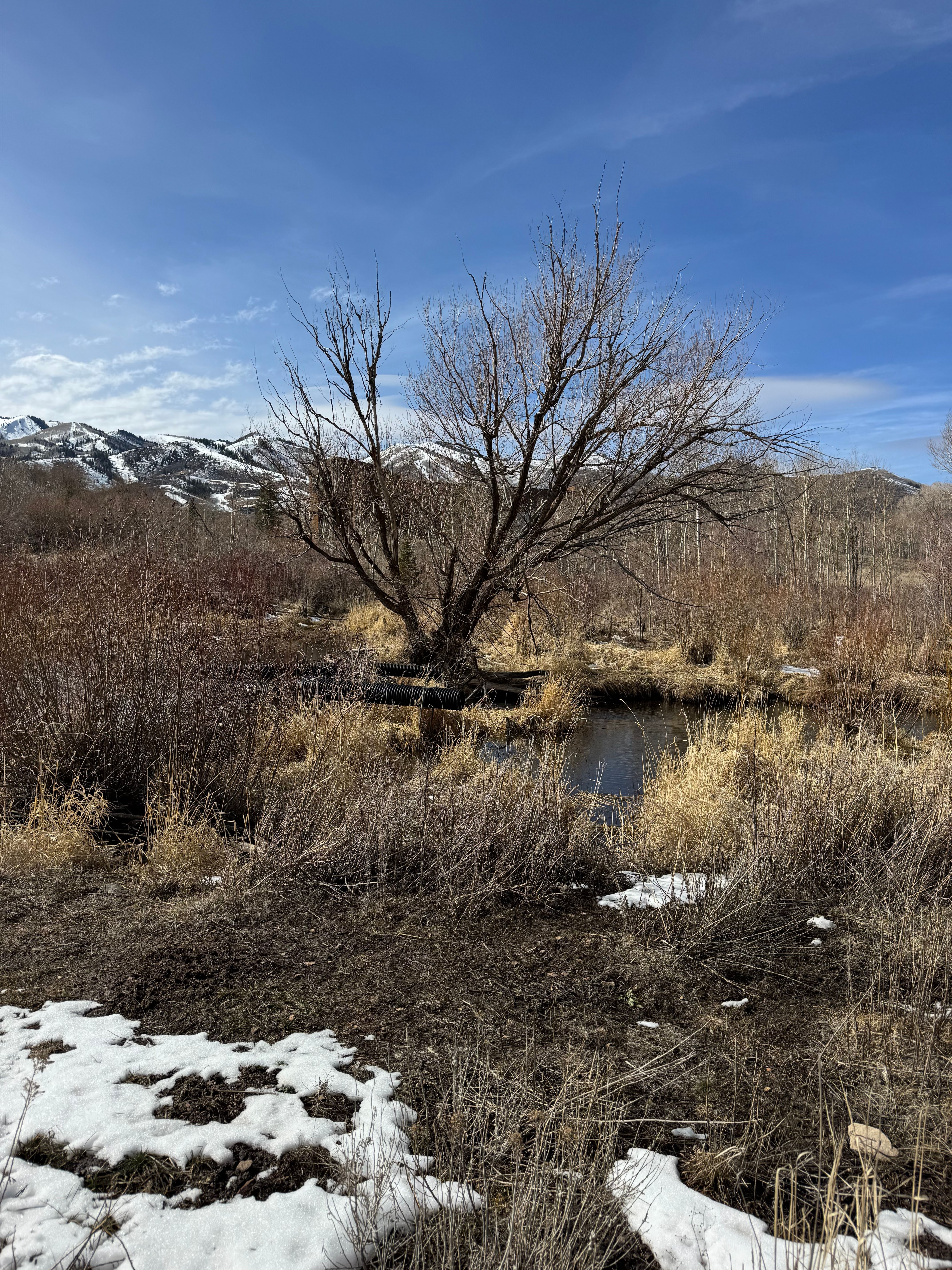
Park City under winter snow — rooftops, private streets, and public routes share the same storm. Photo: Everwest, Wikimedia Commons, CC BY 4.0.

Start with your association’s winter rules
Before you memorize a city ordinance, open the packet that actually governs your building: the CC&Rs, winter addendum, snow-removal rules, and management scope. Many condo associations plow private drives, common parking, and shared walks. Private entries, decks, and unit-specific areas often stay with you — but that split is document-specific, not a town-wide template.
Park City’s Building Department is clear on one boundary that matters all year: CC&R enforcement runs through the HOA, not through Building. Exterior permit work in a registered association can trigger City HOA notification forms; that is a permit process, not the City stepping in to interpret your snow rules. For winter “who shows up,” management and the recorded documents are your first call.
If you are still under contract, ask for the winter / snow scope the same way you would ask for any other living-with-the-building fact. If you already own, confirm the contractor name, parking bans, and whether roof or heat-tape work sits on the association budget or yours — before the first four-inch dump.
City map: sidewalks, private streets, hydrants
Park City Public Works and the City’s Snow Removal Guide lay out how public and private duties stack inside city limits.
Sidewalks are tiered. Tier I (Spine System / designated) is City-cleared. Tier II sits with the adjacent property owner — clear within eight hours after a storm. Tier III is neither City nor owner required to clear and is often treated as on-site snow storage. The map and guide control which frontage you actually have; do not guess from a neighboring block.
Private streets inside the City are different. Associations (and abutting owners served by those private systems) must provide regular, adequate snow removal — clear the roadway to a 20-foot width within eight hours after storms that deposit four inches or more. Leaving more than four inches past that window is unlawful under the Municipal Code sections Public Works materials point to (§ 14-4-2 / § 14-4-3). The City can clear and seek cost recovery if standards are not met. Nearer publish — or before you lean hard on any PDF excerpt — re-open the live Municipal Code text for those sections.
Fire hydrants at the property perimeter are an owner duty: mark, uncover, and clear snow and windrows so the hydrant is open at least three feet on all sides, within 72 hours of burial (§ 14-4-10).
From Nov. 1 to Apr. 30, crews are prepared to work around the clock. Priority typically runs bus routes, Old Town, Royal Street, and the core business area first, then residential, with cul-de-sacs later. Do not push snow into the street — that is fineable. City ROW snow storage is often described as about 5–10 feet back from the curb. Licensed private plowers should not dump onto neighbors or the public right-of-way. Confirm current winter parking bans with Public Works at 435-615-5301.
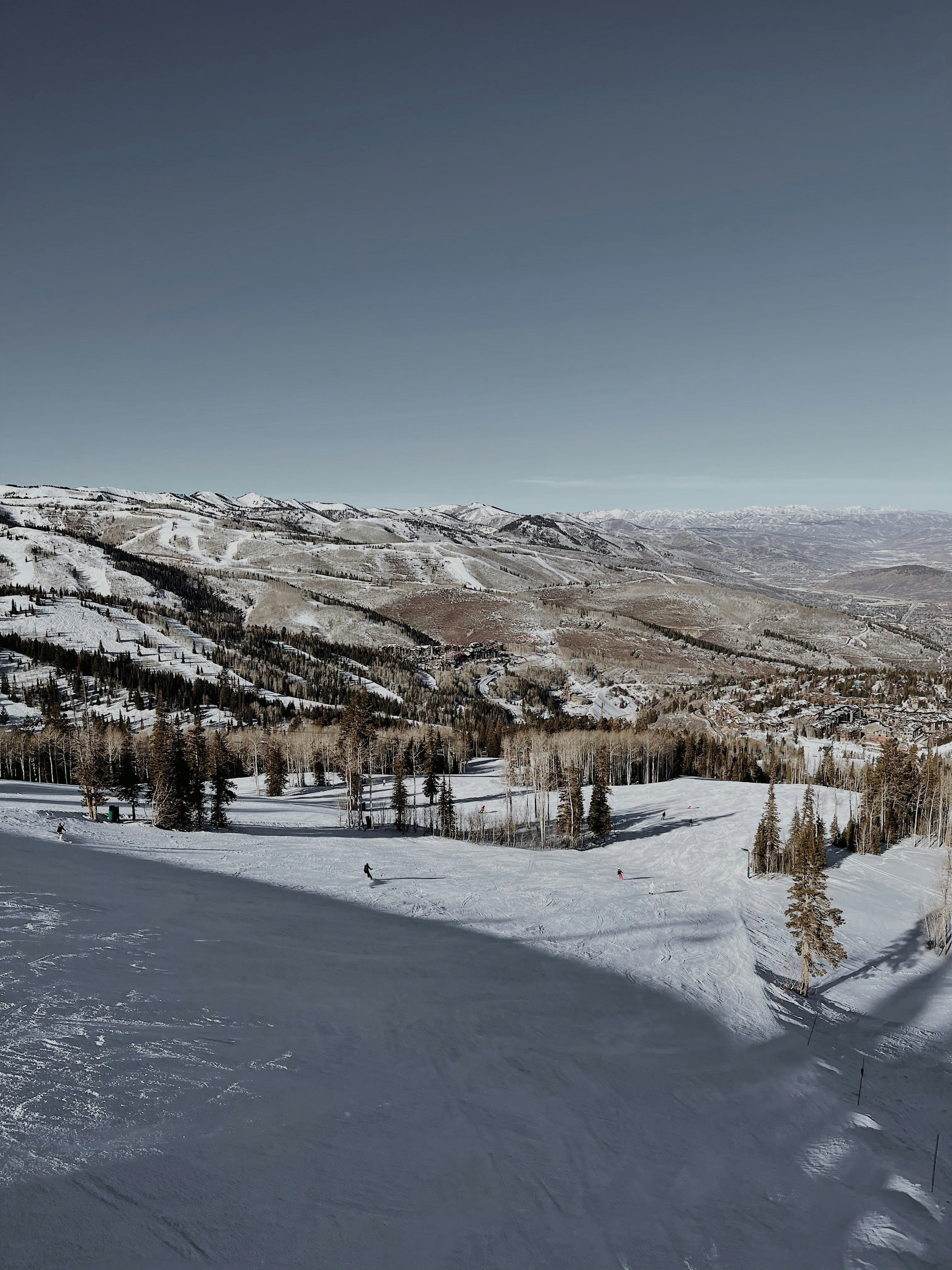
Deer Valley / Park City snow season — the same storms that fill the roof also test who plows what. Photo: Kyle Austin / Unsplash.
If you sit on County roads
Unincorporated Summit County and county-maintained roads follow a different book. Owners and associations must store snow on their own premises — or on another private parcel with permission (Summit County Code 7-3-4). It is unlawful to deposit private-property snow into the traveled public way so it impedes traffic (7-3-5). County winter safety reminders restate the kitchen-table version: keep driveway snow on your property, not in the County ROW.
Start with Summit County snowplowing and the 7-3-5 PDF. A private plow contract does not erase deposit rules if snow ends up in the traveled way.
Common areas vs. your entry
Here is the ownership question lock-and-leave buyers actually feel: after the storm, does someone clear the shared drive and leave your stoop, deck, and unit walk for you?
Often yes — common parking and private association roads are in the HOA scope, while private entries and decks are not. Sometimes heat tape, heated drives, or a roof contract ride with the association; sometimes they do not. There is no citywide rule that the HOA always (or never) clears unit roofs. Pull that community’s winter rules and management agreement. Neighbor practice is a rumor; the packet is the map.
Condo vs. single-family is less “HOA good / HOA bad” and more whether you want a documented plow vendor for the shared surface — or you own everything from the curb cut in.
Roof snow load is a design fact, not a town slogan
Park City’s Design Criteria 2026 does not print one ground-snow number for the whole city. The ground snow load column says “See Below.” Residential / IRC applicants are directed to the Utah State University Utah Ground Snow Load Map. Commercial / IBC work points to the ASCE Hazard Tool. The same sheet lists wind design speed 115 mph and mean annual temperature 42°F.
USU’s map gives a site-specific 50-year ground snow load (Pg). Roof design load (Pf) then factors slope, exposure, thermal, drifting, and other ASCE rules. As of July 1, 2026, Utah adopted IBC2024 / ASCE 7-22 for commercial work — follow the current ASCE path, not an old blog number.
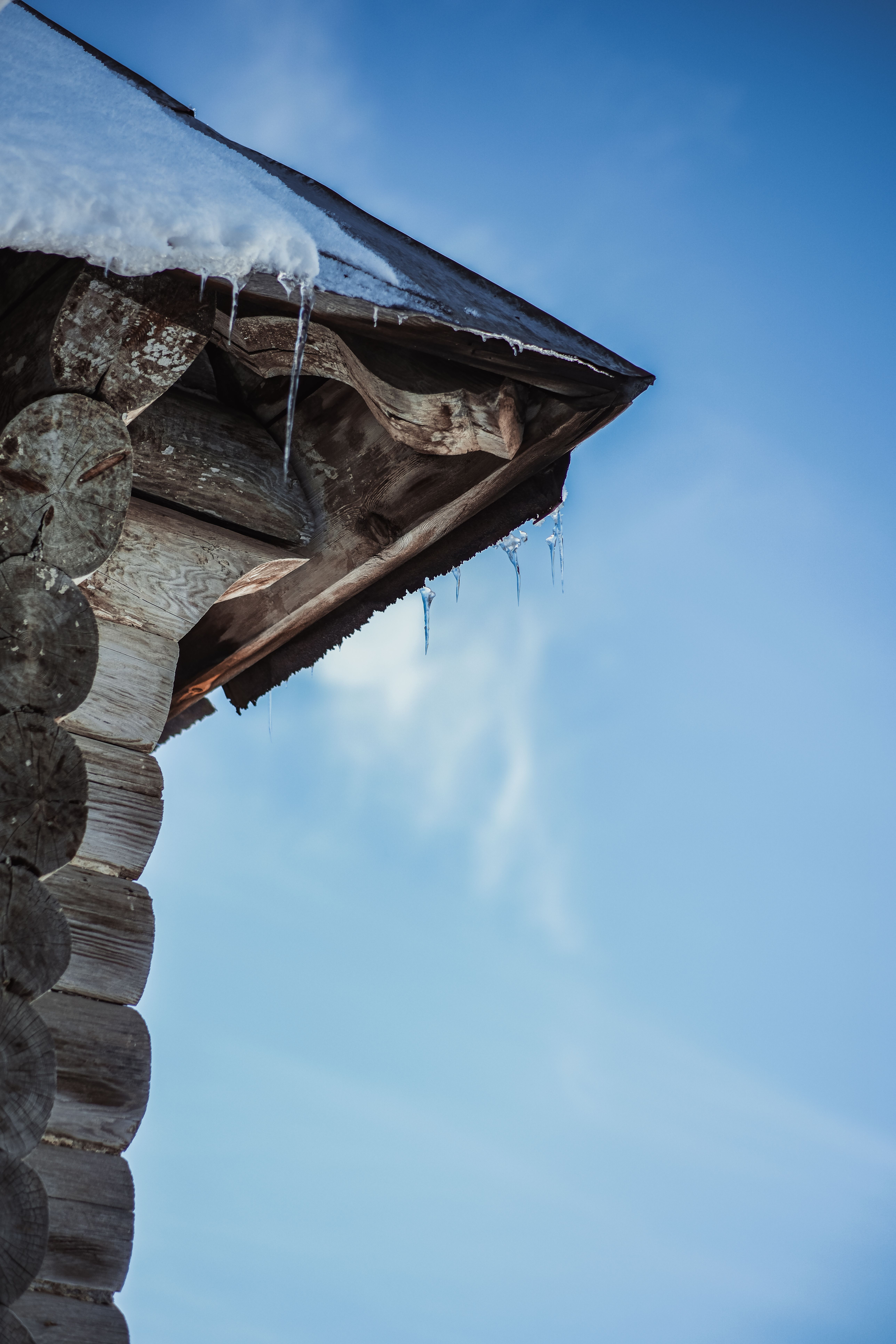
Illustrative snow on a cabin roof — not a listing, and not a citywide load number. Photo: ORKUN SATICI / Pexels.
What that means for you in season: know how your building was designed, watch for unusual accumulation or deflection cues, and use qualified roofing or structural pros when clearing is needed. Do not treat a generic “remove at N inches” tip as Park City code — it is not. The City’s Building forms page also points to snow-load resources and a Snow Shed Agreement Guide for neighbor-to-neighbor shed issues; those agreements are property-specific — don’t borrow a neighbor’s version.
A calm October checklist
Put the documents and the geography in order while contractors still pick up the phone:
- Pull HOA winter / snow rules and the management snow-removal scope.
- Confirm whether your frontage is City Tier I / II / III, a private street under association duty, or a County road with on-site storage rules.
- Note hydrant clearance if a perimeter hydrant sits on your lot.
- Ask who handles private entry, deck, heat tape, and roof — association, owner, or a separate vendor.
- Treat roof load as the building’s design fact plus a pro call, not a single Park City number.
None of this is legal advice. Municipal code, County code, your recorded CC&Rs, and licensed design or roofing pros control. Associations vary widely — skip any “average dues include snow” shortcut.
What to pull before the first storm
Snow season in Park City is an ownership map: City tiers and private-street standards, County deposit rules where they apply, association common-area scope, and the roof as a site-specific design fact. October is the quiet month to draw that map before the Nov. 1–Apr. 30 window gets loud.
If you want help reading a specific association’s winter rules alongside a property conversation — who clears what, and how that fits lock-and-leave life — I’m glad to walk through the packet with you.
Talk with Esteban J. Nunez — Park City Realtor.
Categories
Recent Posts