Moving to Park City: lock-and-leave, year-round use, and the license that expires today
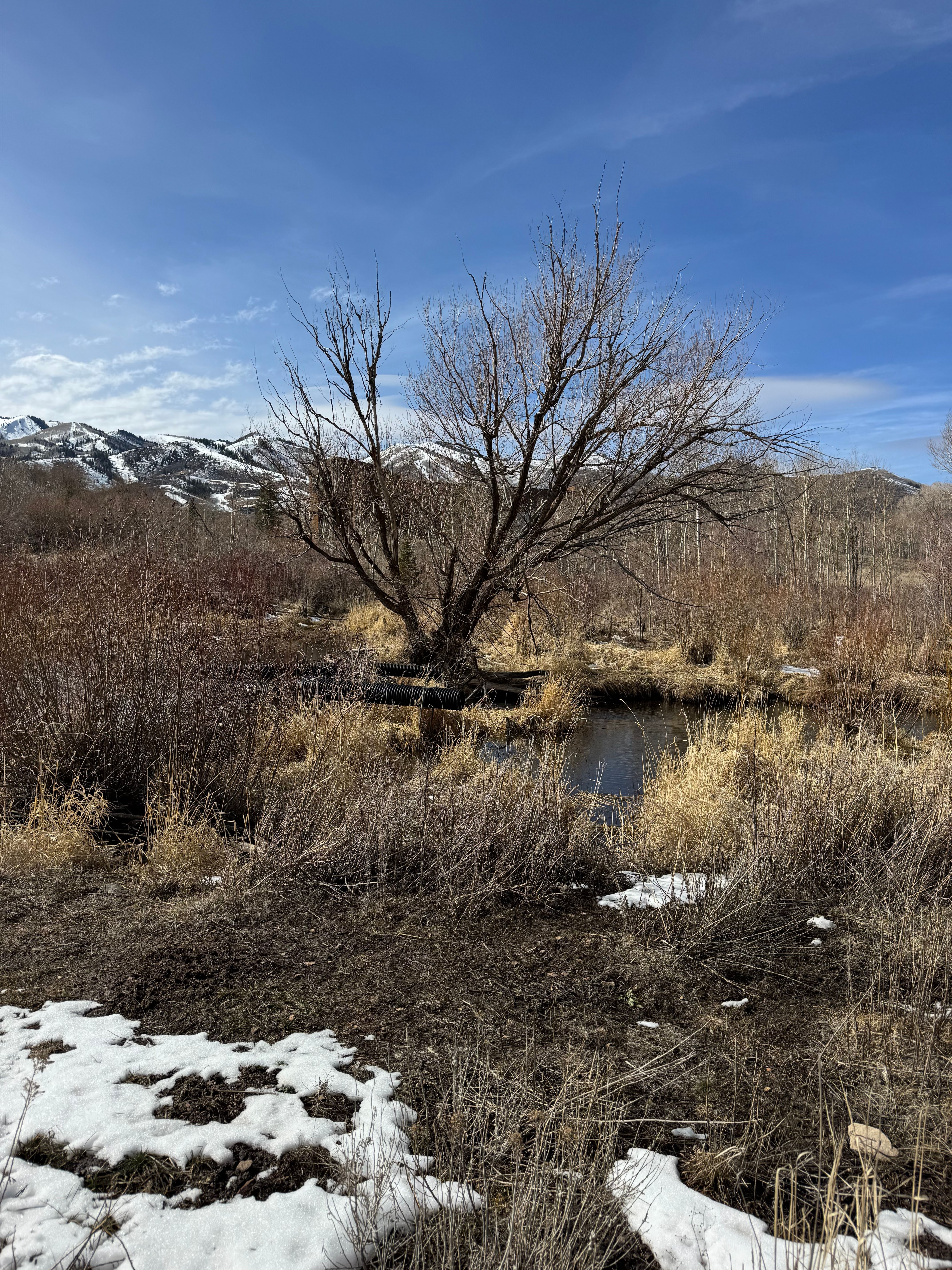
If you will use the house most of the year, you are the maintenance plan. If you will use it some weeks, you are buying a lock-and-leave stack — and you still need to know whether nightly rental is even legal on that parcel.
Park City’s housing stock is not “mostly lived-in primary residences.” That is an occupancy pattern, not a personality test. The logistics question is mechanical: who removes snow, who takes trash, who holds keys, and whether the unit may be rented for less than 30 days.
This post stays inside Park City municipal limits. An 84098 / Snyderville address is often not Park City code. One calendar note for today: Park City business licenses — including nightly-rental licenses — expire September 30. Renewal is due October 1. If you closed on a licensed unit this summer, you need a new application. This is not legal advice.

Snow-covered Park City rooftops — the occupancy story is in how many of these units are usual-residence vs. occasional-use. Photo: Unsplash, Park City, UT (photo page), Unsplash License.
What Census and the city actually published
Most vacant city-limits units are seasonal/occasional-use — that’s the second-home stack, not a character claim. Park City Municipal’s 2023 Affordable Housing Analysis (Table 8, ACS 2021 5-year) is the source; open it when you want the unit counts.
Census QuickFacts tracks people, not vacant units — July 1, 2025 population estimate 8,587. Keep that separate from the housing-analysis occupied count; different vintages.
Two use patterns, same streets:
- Year-round occupied dwelling (Census “occupied”): someone is using it as usual residence. You handle or contract snow, trash, utilities.
- Seasonal / recreational / occasional (Census vacant category): the unit exists for part-year use. Logistics = lock-and-leave stack (HOA or hired maintenance, winterization, local contact).
A four-bedroom house can be either pattern. These are use patterns, not types of households.
Lock-and-leave is a building feature, not a slogan
Typical lock-and-leave condo / lodge setup in this market bundles some combination of common-area snow, trash, and exterior maintenance through an association. That is HOA/CC&R territory. A detached house without that stack is not “lock-and-leave” just because the owner travels. Describe the feature: association-maintained exterior + vacant-house protocols — then confirm it on the packet for that building.
Park City Transit is year-round municipal infrastructure: fare-free public transportation in the Park City area since 1975; 9 bus routes. In 2021, Summit County created High Valley Transit District. Park City Transit operates within Park City; HVT is the county/regional system. Division historically at Meadows Drive. Lock-and-leave condos near free bus stops are transit access; basin addresses may be HVT instead. Check the stop, not the zip-code folklore.
Winter landscape in Park City — lock-and-leave means this snow is someone’s maintenance line item. Photo: Petra Nesti, Pexels License.
Nightly rental is a license, not “Airbnb legal in Park City”
LMC 15-15: Nightly Rental is the rental of a dwelling unit or any portion, including a lockout, for less than thirty (30) days to a single entity or person.
Municipal Code 4-5-3: all nightly rental units must be inspected by the Building Department and issued a license before being offered for rent. Licensee = owner; local representative = responsible party.
If you hold this license, 4-5-3(B) also reads as lock-and-leave logistics: snow removal for safe pedestrian access; snow removal so off-street parking remains available; summer yard maintenance; structural maintenance; trash not at curb more than 24 hours. If an owners association exists, “it shall be responsible for property maintenance” (code text) — still confirm the HOA actually performs it.
Responsible party (4-5-3(D)(3)): a property management company, realtor, lawyer, owner, or other individual who resides within a 1-hour drive, or a company with offices in Summit County; reachable 24 hours; must respond to telephone inquiries within 20 minutes.
Zoning gate (4-5-3(D)(1)): the unit must sit in a zone and subzone designated as allowing rentals for the period applied for. Shared access/hallway/common wall/driveway on a single-family or duplex: written consent of the other dwelling’s owner. Sales-tax number required before the license is effective.
Official application: Park City Municipal Corporation, 445 Marsac Ave.; 435-615-5221; nightly_rental@parkcity.org. The application packet states licenses expire September 30 each year.
Finance FAQs — all business licenses, including nightly rental: expire every September 30; renewal due October 1; ownership / federal ID change on a business or nightly rental unit means a new application. Late fees and timing live on that FAQ page — check it before you assume a grace window. Changes to local contact must be reported within 10 days.
Nightly rental is not citywide. LMC 15-2.1 (Historic Residential-Low Density) splits sub-neighborhoods: western sub-neighborhood cap of 12 CUPs; McHenry Avenue sub-neighborhood — nightly rentals prohibited; Lower Rossi Hill — CUP. Read the zone. Leave freelance “allowed neighborhoods” lists out of the file.
Accessory apartments / IADUs have their own nightly-rental limits in LMC 15-4. Quote the specific subsection in the deal file rather than generalizing.
The license section doesn’t impose an owner-occupancy test — zoning and HOA still might. Outside city limits, 4-5-3 does not apply; confirm Summit County or Wasatch County rules rather than importing Heber’s code into a Park City living post.
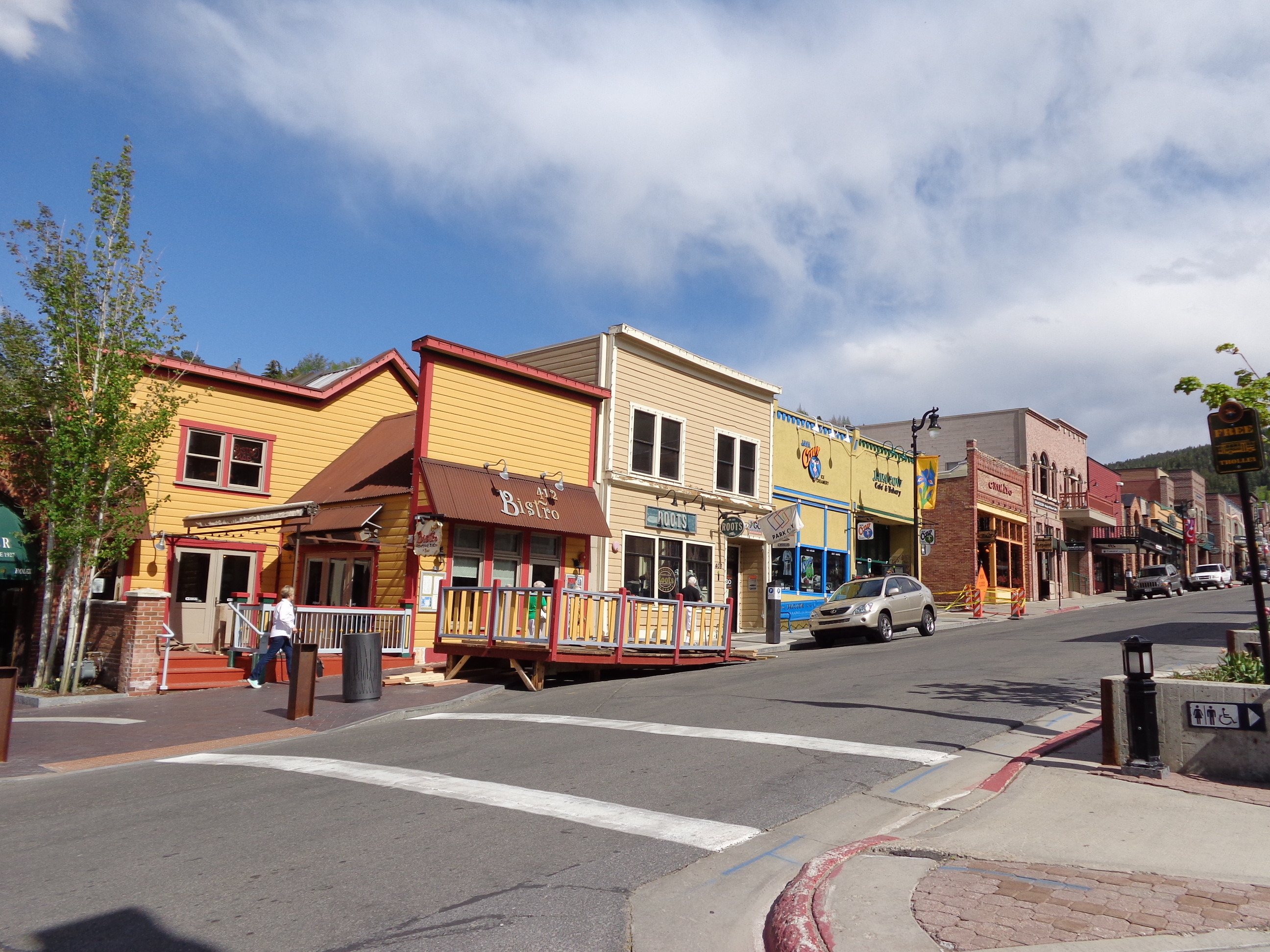
Main Street — free transit + commercial core. Not a lock-and-leave building. Photo: Saalebaer, Wikimedia Commons, CC0 1.0.
How to buy the occupancy you actually want
If you will be here most weeks, you are buying occupied-housing logistics.
If you will be here ski weeks and a summer month, you are buying lock-and-leave logistics (the building’s maintenance stack + a local contact).
If you intend to rent nights, you are buying zoning + 4-5-3 license + HOA rules + tax accounts. HOA may still forbid what the zone allows. No rental-income promise.
Moving toward a primary or a lock-and-leave? I can sort occupancy pattern, the building’s maintenance stack, and whether a nightly-rental license is even available — and, today, against the September 30 / October 1 license calendar — for the address you are weighing.
Esteban J. Nunez, Park City Realtor.
Categories
Recent Posts