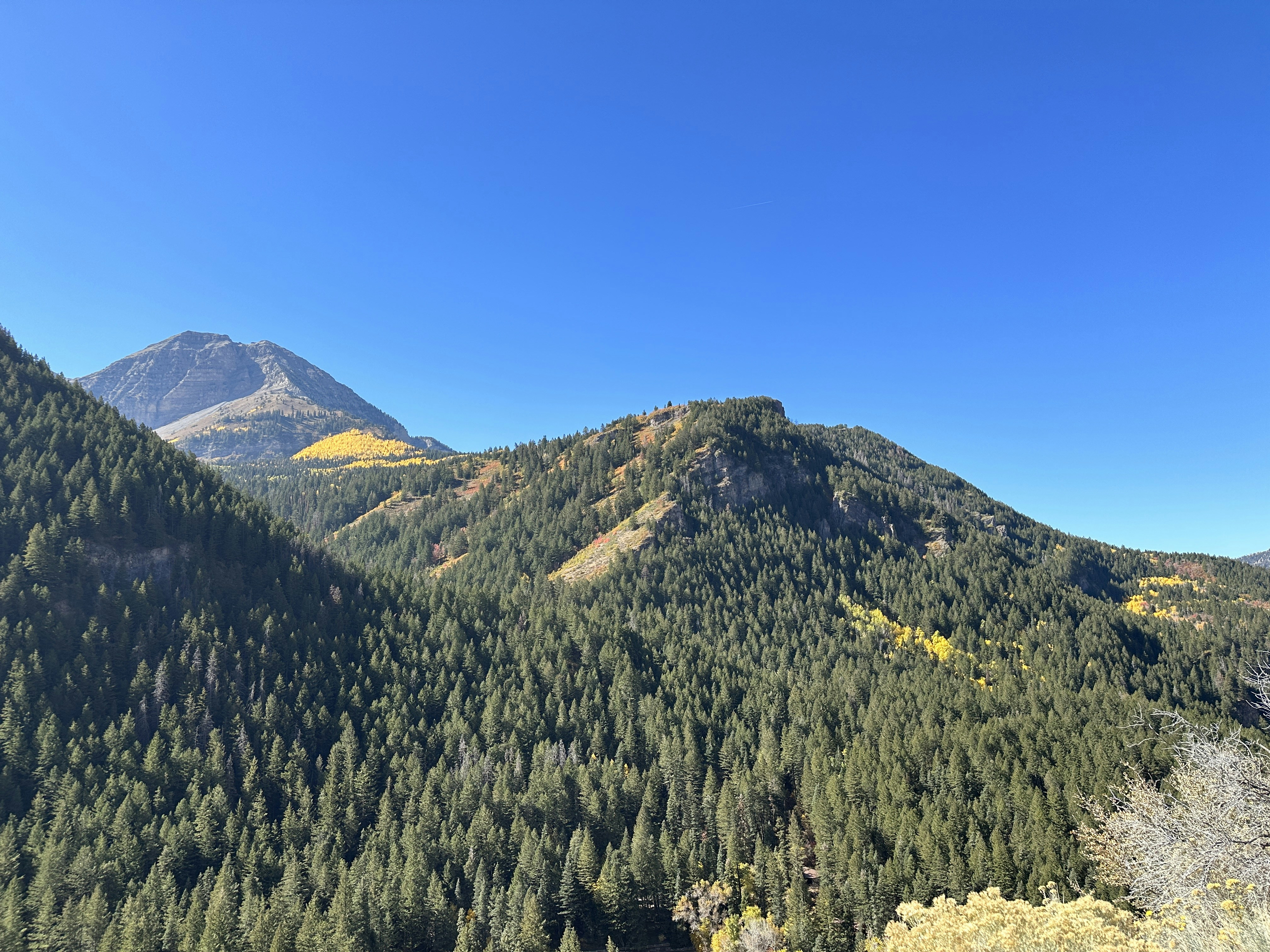
Where can you license a nightly rental — city limits vs the Basin?
You’re shopping winter nights on a Park City–area address — and the first question isn’t ADR. It’s which government even licenses under-30-day stays on this parcel.
Same ski town. Two rental rulebooks. Inside Park City Municipal limits you follow the city’s nightly-rental license, Building Department inspection, and Land Management Code zoning gates. Cross into unincorporated Snyderville Basin — Silver Creek, Pinebrook, Jeremy Ranch, Summit Park, Old Ranch Road, and neighbors — and you’re under Summit County Clerk licensing plus the Basin planning layer. Then the HOA stack can still say no. Map first. Income math later.
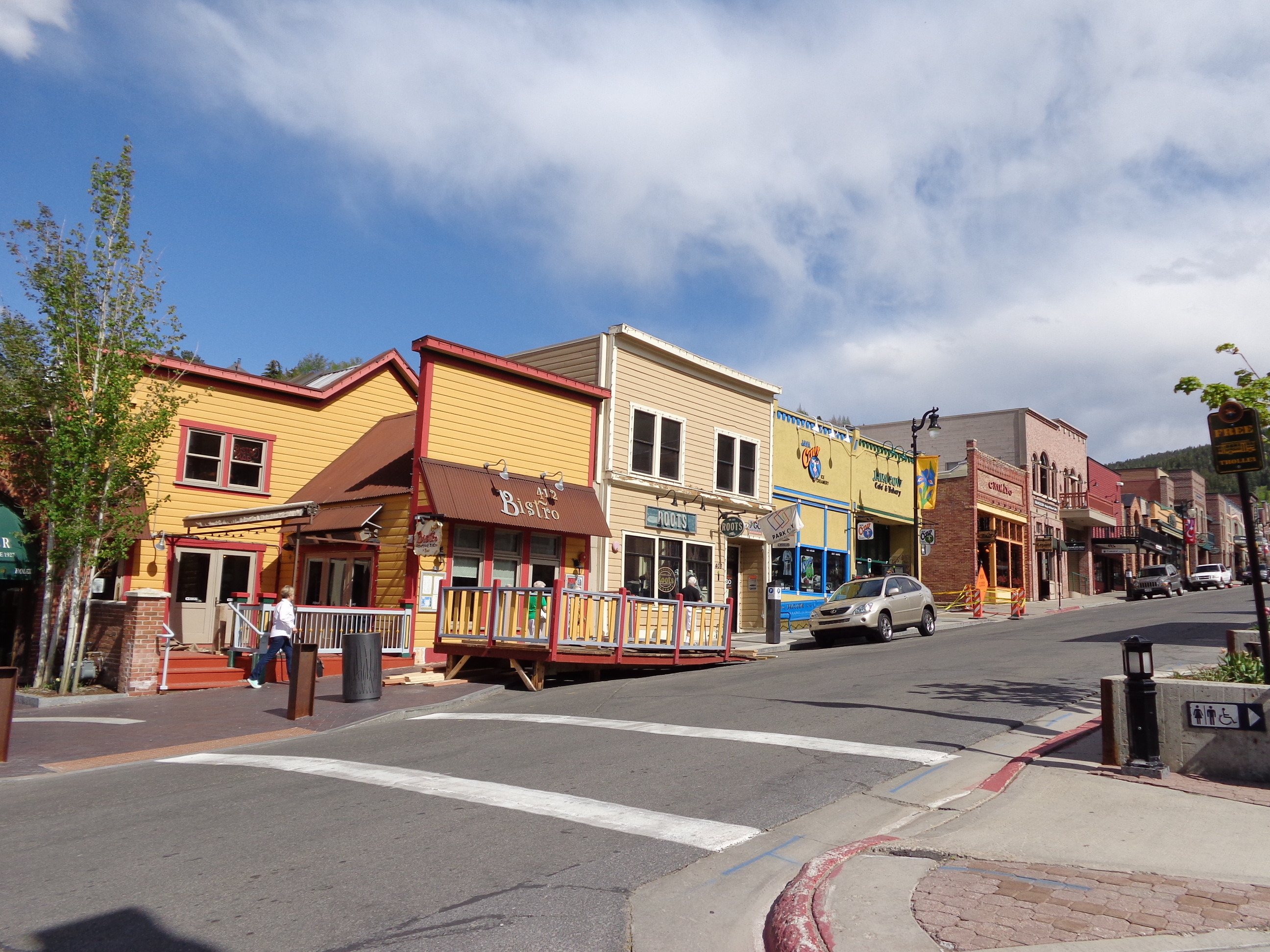
Main Street in Park City Municipal — city-limits licensing and zoning start here. Photo: Saalebaer, Wikimedia Commons, CC0.

Confirm city limits vs the Basin before you price nights
Summit County is clear that any area sits in an incorporated city or “the County.” Park City runs its own government and planning. Unincorporated Basin communities fall under County services and the Snyderville Basin Planning District (Title 10 Development Code), with Basin-specific planning in place since 1998. The County’s own explainer on why there are two planning districts is worth a bookmark when a listing uses a Park City mailing address but may sit outside city limits.
Annexation edges matter. Confirm incorporated city vs unincorporated on the parcel — tax records, planning jurisdiction, and the license path — before you choose City paperwork or County paperwork. Eastern Summit County uses a different Development Code than the Basin; don’t collapse “County” into “Basin only” if the listing sits outside the Basin planning area.
Inside Park City Municipal: license, inspection, and the zoning map
Park City’s nightly rental FAQ puts it simply: rental of a dwelling unit for less than thirty (30) days to a single entity or person. Long-term stays (more than 30 days) are a different regulatory path — including through Summit County where their limits apply. City contact for nightly-rental questions: nightly_rental@parkcity.gov or 435-615-5231.
Municipal Code 4-5-3 is the spine. Every nightly rental unit must be inspected by the Building Department and issued a license before being offered for rent. The licensee is the owner; a local representative is the responsible party. License review also requires the unit sit in a zone and subzone designated as allowing rentals for the period you’re applying for — which is why the City points neighbors (and buyers) to the zoning map, not to listing remarks.
Responsible-party rules are operational, not decorative. Under 4-5-3(D)(3)–(4), you designate someone who resides within a one-hour drive, or a company with offices in Summit County; available 24/7; able to respond to phone inquiries within 20 minutes; personally liable for management failures. The application must carry a sales tax number — the license isn’t effective until that number is provided.
Winter shows up in the management standards too. Under 4-5-3(B), snow removal is a license condition — safe pedestrian access to the unit, and off-street parking kept usable for occupants — plus trash not left at the curb over 24 hours, and on-street parking that doesn’t obstruct traffic or pedestrian circulation. The City’s nightly-rental FAQ separately lists snow removal on private property among things it does not generally regulate as a complaint category. Read that as two lanes: code still expects the licensee to keep access and parking clear; the FAQ is telling neighbors what the City won’t treat as a routine private-property complaint desk. Noise, occupancy, parking abuses, and failure to collect and deposit sales tax remain revocation grounds. Business licenses on the city side expire September 30 each year — useful timing if you’re shopping winter income in mid-October.
Fees live on the City’s published schedule. As of the Editor check (Sep 15, 2026 CT), the live fee schedule PDF is still the Park City Fee Schedule effective October 20, 2025. Lodging category lines on that PDF: Transit Service Enhancement at $19.25 per bedroom plus Festival Facilitation/Service Enhancement at $9.49 per bedroom ($28.74 combined per bedroom), a $149.00 administrative fee for new/inspections, and a $17.00 renewal administrative line on the lodging row. Nearer publish (and before you underwrite a bedroom-count total): reopen that same PDF and confirm the Lodging lines and effective date haven’t changed; pull the current application packet with Finance. Older application PDFs can carry different proration language than how your renewal or mid-year start is billed — don’t invent fees beyond what’s on the live schedule.
Even inside city limits, the Land Management Code is not “nightly rentals everywhere.” Nightly rental is an Allowed Use in multiple districts — for example HR-1 lists it as Allowed (lockout nightly rental needs a CUP). In the Recreation and Open Space–adjacent RD uses table, Nightly Rental is Allowed as a district use, but Nightly Rentals are not permitted in named subdivisions including April Mountain; Mellow Mountain Estates; Meadows Estates Phases #1A and #1B; Fairway Meadows; Hidden Oaks at Deer Valley Phases 2 and 3; Chatham Crossing; West Ridge and West Ridge Phase 2. Several of those prohibitions arrived as owner/HOA-petitioned code amendments — the City’s LMC updates page documents that history.

Kimball Junction (SR-224 & I-80) — gateway into unincorporated Snyderville Basin / Summit County licensing geography. Photo: An Errant Knight, Wikimedia Commons, CC BY-SA 4.0.
,_Apr_16.jpg)
Unincorporated Basin / Summit County: a separate nightly rental license
Cross the city line and the Clerk’s office is your first stop. Summit County Business Licensing lists a Nightly Rental License at $350. It’s required of both the owner of a property rented short-term (less than 30 days) and any individual or company that manages those properties. Licenses are valid until January 15; fees are not prorated. Processing is typically 5–10 business days (up to 30). The Clerk notes: don’t apply unless you can pass a Park City Fire Department inspection. Office: 60 N. Main Street, Coalville; 435-336-3204.
The code spine is Title 3, Article D — not “Title 10 equals the license.” County Code § 3-1D-1 defines nightly rental as premises (or a portion) made available for transient lodging less than thirty consecutive days. Under § 3-1D-2, a license is required; the licensee is both managing agent and owner as responsible party / primary contact; issuance follows fee payment plus staff finding that review criteria are met. See Ordinance No. 943 / the County’s nightly rental license ordinance and the related staff report on short-term rentals.
Title 10 is the Snyderville Basin Development Code — the zoning and land-use layer the license review looks through, not a substitute for the Title 3 license. Staff materials note there are no zoning designations specifically labeled “nightly rentals,” yet § 3-1D-6 still requires the unit sit in a zoning/land-use area allowing rentals for the period applied for. That’s thinner clarity than the City’s use tables. Don’t assume every Basin SFR is fine — or that none are. Pull parcel zoning and ask County Planning / the Clerk before you treat winter nights as locked.
One hard check on the County side: planning materials and ADU condition language state nightly rentals are prohibited in ADUs, with ADU rental terms no less than thirty days. If a listing markets a “guest house income stream,” verify current Title 10 ADU text for that zone before you price it.
HOA and subdivision overlays still gate both maps
Public permission isn’t the last gate. Even where city LMC or County licensing allows under-30-day stays, CC&Rs, condo docs, and HOA rental rules can ban, cap, or seasonally limit short-term use. The City’s own named subdivision carve-outs show how owner associations have successfully petitioned for LMC prohibitions. County and city materials also note that while state law limits how local land use treats fractional ownership, HOAs may still prohibit fractional use — read the private stack after the public stack.
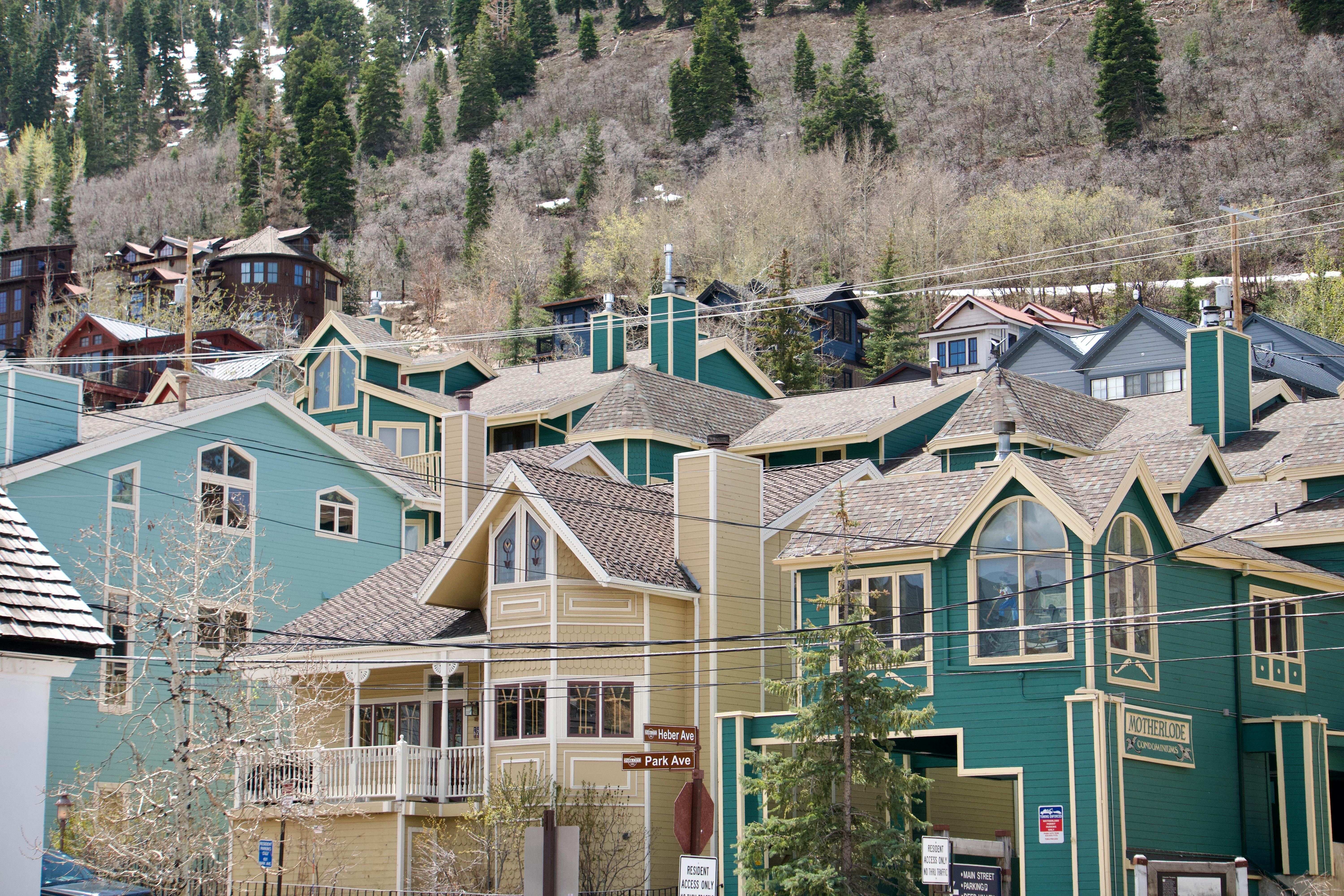
Mountain-town residential streetscape — still confirm city vs county license path and HOA docs on the parcel. Photo via Pexels (license-free stock).
Practical order when you’re touring: (1) incorporated city vs unincorporated Basin/County on the parcel; (2) zone and use table (or County zoning criterion + Planning/Clerk confirm); (3) HOA/CC&Rs and any condo rental registration rules; (4) then calendar and income assumptions. That sequence keeps you from buying a winter story the paperwork won’t carry.
Final takeaway
Mid-October sits between City business-license timing (September 30 cycle) and County renewals toward January 15 — right when winter-income shoppers lock listings and ask whether nights can be licensed at all. The useful answer is geographic: Park City Municipal license + LMC zoning, or Summit County Title 3 nightly license + Basin Title 10 layer — then the HOA overlay on either side of the line.
If you’re buying or selling a winter-income play, I’m glad to walk city vs Basin licensing geography, zoning, and HOA gates against the parcel before you count on licensed nights.
Talk with Esteban J. Nunez — Park City Realtor.
Categories
Recent Posts


,_Apr_16.jpg)