Peak ski weeks or guest income — how to decide before you buy
Which winter week will you not give up — Christmas, Presidents’ Day, or spring break?
You’re shopping a Park City address as a hybrid: some ski weeks for yourself, some nights licensed for guests. Not a pure hotel play. Not a never-rent second home. Early October is when that calendar gets real — peak demand weeks and your own must-keep weeks are often the same nights. Map the house against the weeks you’ll actually use before you fall in love with the listing photos.

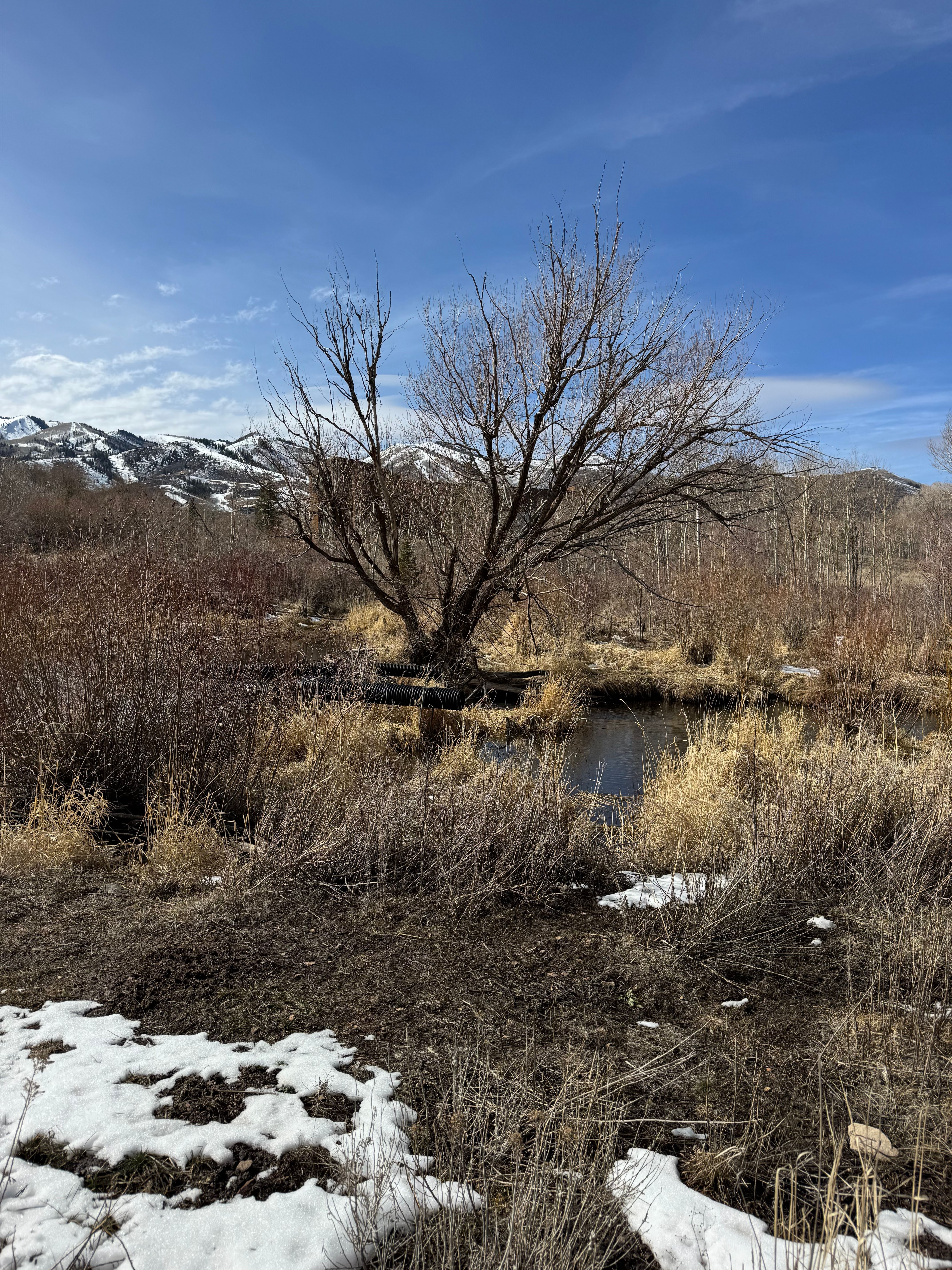
Snow-covered Park City rooftops — second-home winter mood, not a specific licensed listing. Photo: Alex Moliski / Unsplash.
Clear the license gate, then talk calendar
Inside Park City Municipal limits, under-30-day stays need a Nightly Rental License. Confirm this parcel can carry a Nightly Rental License — the current zoning map plus the city’s nightly rental FAQ and Municipal Code 4-5-3 path. City business licenses expire September 30 each year, so mid-October shoppers are already in post-renewal season. Questions for city staff: nightly_rental@parkcity.gov or 435-615-5231.
That’s the permission layer — not the hybrid decision. You still have to choose which peak weeks stay on your calendar.

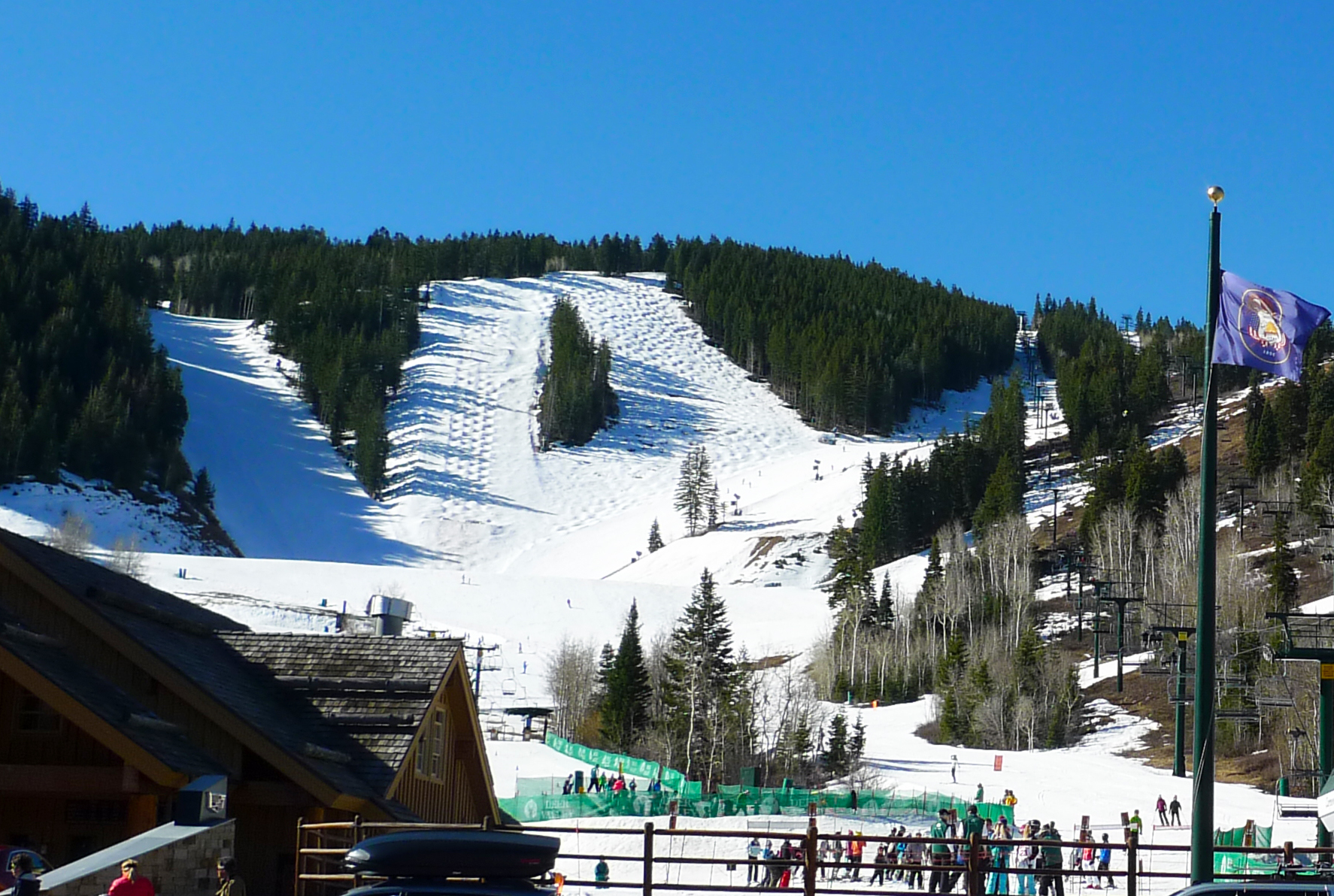
Chairlift day at Deer Valley — the winter behind peak-week calendar choices. Photo: Ron Marconet, Wikimedia Commons, CC BY-SA 3.0.

Peak weeks are where the hybrid math lives
Christmas week, New Year, Presidents’ Day, and spring break are the nights guests want most — and the nights many owners refuse to miss. Seasonality is real. Price with live comps and your own use plan — not a borrowed rate sheet. The kitchen-table question is simpler: which of those weeks do you keep, and which do you open to guests?
Keeping Christmas for yourself is one winter. Listing it is another. Same house. Hybrid ownership works when you’re honest about that tradeoff before you write an offer — not after you’ve already blocked every peak week for family and still expect guest income to carry the mortgage story.
In Park City, a lot of hybrid winters look like a mix rather than an all-or-nothing season: keep Christmas and New Year for the household, open Presidents’ Day or spring break to licensed guests, then leave quieter midwinter stretches either dark between your own trips or listed when you’re not on the mountain. Some condo and lodging docs even set owner-reservation windows that force that mix into writing. You don’t need a rate table for that call — you need a calendar you can live with when the powder week and the guest week land on the same dates.
The Nightly Rental License also carries winter management standards — snow cleared so the unit stays reachable and off-street parking stays available for whoever’s in the house; trash not left at the curb more than 24 hours; on-street parking that doesn’t block traffic or sidewalks. Noise and occupancy violations, and failure to collect and deposit sales tax, are revocation grounds. If you’re keeping the house dark some weeks and rented others, that stack still has to work on the nights guests are in.
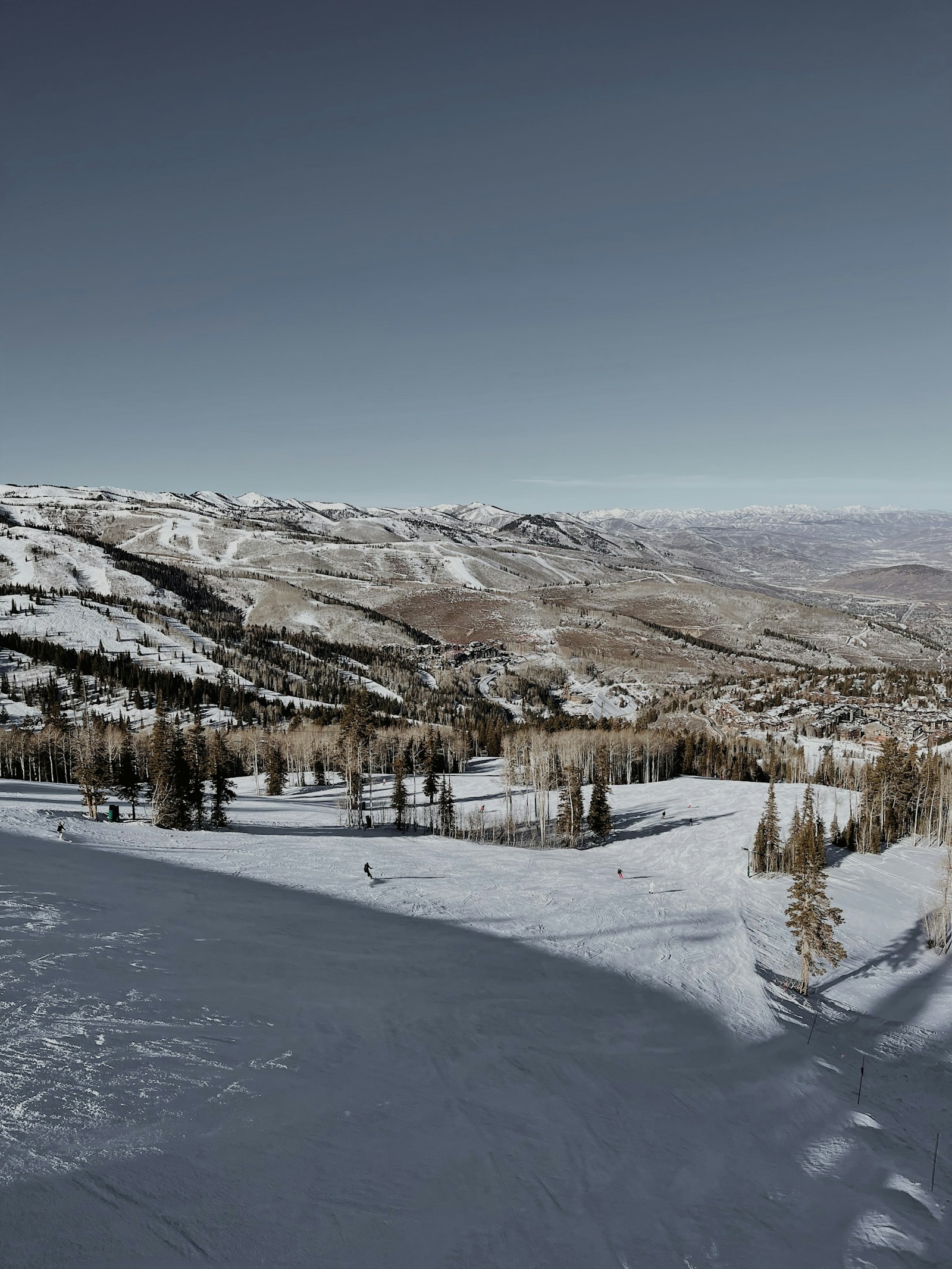
Deer Valley snow — ski-week mood for the calendar you’re mapping against guest nights. Photo: Kyle Austin / Unsplash.
HOA and condo docs are the second gate
City permission is not the last word. CC&Rs, condo declarations, and association rental rules can ban under-30-day stays, cap nights, require registration, or set owner-reservation windows that collide with how you wanted to use Christmas week. Many resort condos allow nightly use; many primary neighborhoods prohibit it even when the zone would allow a license. Read the private stack after the public stack — for this building, not a neighbor’s rumor.
Fractional or co-owned structures don’t automatically unlock nightly rentals either. State law limits how municipalities treat fractional ownership through land use; associations may still restrict. Deed structure is not a substitute for a Nightly Rental License or for HOA approval.
Deer Valley terrain — resort winter context for hybrid owner weeks vs guest nights. Photo: Don Ramey Logan, Wikimedia Commons, CC BY 4.0.

How I’d map your calendar before you buy
Bring the must-keep ski weeks to the table first — the ones you’ll actually fly in for, not the ones that sound nice on a brochure. Then ask, for the exact parcel: Can this address carry a city Nightly Rental License — zoning, inspection, responsible party, sales tax number? Do the HOA docs allow the nights you’d list, and do any owner-reservation rules cut into Christmas or spring break the way you hoped? Fees live on the city’s published schedule; pull the live Finance materials rather than memorizing an old PDF. Outside city limits, a different license stack applies — keep that contrast for another conversation if the listing sits in the Basin.
Order of operations that keeps romance honest: (1) your must-keep weeks on paper; (2) zoning map + Finance license path for this parcel; (3) HOA/CC&Rs and any condo rental rules; (4) then income assumptions that match the nights you’re actually willing to release. No returns guarantees. No vendor pitch list — city licensing contacts only when you need the public gate confirmed.
Final takeaway
Hybrid Park City ownership is a calendar decision wrapped around a license and an HOA. Peak ski weeks and peak guest demand often land on the same dates. Decide which weeks you keep, confirm the parcel can be licensed and association-cleared for the nights you release, and only then price the winter you actually want to live.
If you want to map your must-keep ski weeks against whether a specific address can carry a Nightly Rental License — and what the HOA still allows — I’m glad to walk that with you before the listing becomes the story.
Talk with Esteban J. Nunez — Park City Realtor.
Categories
Recent Posts