Q4 Club Calendar: Renewals, What Dues Pages Show, and What They Don’t
October kitchen table. A membership letter on the counter. Listing photos open on the laptop. The question isn’t “which club is best” — it’s what renews when, what’s written on an official page, and what only comes from the membership office in writing.
October 16 sits in that Q4 ownership window: after the widely reported mid-September Promontory Full Membership deposit step-up date in broker coverage, ahead of January dues invoices that equity-club materials often flag, and before spring showing season. This is a calendar and verification piece for Wasatch Back private-club real estate — not a membership pitch, and not a tour of any one neighborhood.
One bright line: Promontory, Glenwild, Talisker Club, and Victory Ranch are private clubs. They are not ski-resort season passes, and they are not interchangeable with Deer Valley or Park City Mountain ticket products. Club dues and deposits live in club documents. Resort access lives somewhere else.

Jordanelle / Wasatch Back open space — geographic context near several private-club communities; illustrative, not a club endorsement. Photo: An Errant Knight, Wikimedia Commons, CC BY-SA 4.0.

Four club types, not a ranking
Think in types — amenity stacks and membership structures — not a scoreboard.
Promontory Club reads on its official Living Here pages as a large multi-course private mountain club community. The club describes Social, Full, and Equestrian membership categories. Social amenities on the site include the Beach Club, Village Clubhouse, The Shed, Outfitter’s Cabin, Kids’ Club for ages 4–12, Alpine Lodge at Deer Valley, PC Lodge at Park City Mountain, tennis and pickleball, pools, an ice rink, and trails. Full membership is described as Social benefits plus unlimited play on three courses — Jack Nicklaus Painted Valley, Pete Dye Canyon, and The Hills Par-3 — plus Peak and Sage dining. Equestrian is framed as available to Full and Social members, with heated stalls, an indoor arena, and a Riders’ Club Lounge (Living Here; promontoryclub.com). Lodge access is a club amenity story — not a Deer Valley or Park City Mountain season pass.
Glenwild Golf Club & Spa presents as a boutique equity golf / social club with a selective membership process. The public membership page lists address and phone and doesn’t publish dollar amounts on the public membership page (glenwildgolfclub.com/membership). Circulated 2026 guide materials — re-confirm with the club — have indexed that property purchase is not required to join. Any initiation, dues, capital, or assessment figures stay pending club confirmation until the membership office puts a current written schedule in your hands.
Talisker Club describes a four-club / one-membership private home community: Mark O’Meara championship golf at Tuhaye, the Ridge Short Course, Empire Pass ski-in/ski-out private clubhouse at Deer Valley®, Courchevel Bistro and members lounge on Main Street, The Outpost, Base Camp, Elevate spa/fitness, Wildstar Kids Club, plus Adventure Camp and Hot Creek Cabin timed on the site for 2026. The Empire Pass clubhouse is a Talisker Club amenity — still not a substitute for a resort season pass. Real-estate marketing floors on the site are not membership dues — keep those lines separate (amenities; taliskerclub.com).
Victory Ranch publishes as a large private ranch / golf / river recreation community: about 6,250 acres along a four-mile stretch of the Upper Provo River; Rees Jones 18-hole golf; fly fishing; clubhouse with pool and fitness; spa; trails; 5-stand shooting; riverside dining; indoor sports; paddle tennis; kids activities; a ski-in/ski-out clubhouse in Park City; 3,500+ acres of backcountry; and year-round Member Services (victoryranchutah.com; Member Services). Acreage and amenities define the type. Membership dollars still mean inquire — no unverified initiation or dues printed here.

Championship-golf visual — illustrative only; not a named Wasatch Back course. Photo: Pexels / Pexels License.
What official sites actually say — and what they don’t
Promontory’s public Living Here / Amenities pages describe categories and amenities. They do not publish initiation or annual dues amounts on the public Living Here pages — inquire language only. Same pattern for Talisker and Victory Ranch: amenity story yes; firm public initiation and annual dues figures, no. Nearer publish — and before you rely on any number for a listing or offer — ask each membership office for the current written schedule (initiation / deposit, annual dues, capital or replacement dues, assessments, refundability, dependent rules) dated for this transfer.
Glenwild’s public membership HTML likewise does not list dollar amounts. A circulated Glenwild Membership Guide 2026 flipbook exists in search results — treat every initiation, dues, capital, and assessment figure in it as pending club confirmation. This post does not print those guide dollars. Do not price a deal from flipbook memory; reopen the guide if you must, then get the club’s current schedule in writing before you use any figure.
Broker posts are headlines to verify — not substitutes for club PDFs. Multiple broker write-ups described a newly issued Promontory Full Membership deposit moving from $300,000 to $500,000 effective Sept. 15, 2026, with a mid-September funding-deadline narrative and notes on narrowed dependent privileges for newly issued memberships. Those figures weren’t on a primary club PDF — ask the membership office for the current schedule in writing.
Broker-circulated Talisker / Tuhaye and Victory Ranch initiation / dues ranges sit in the same bucket — secondary until the club puts numbers on a current written schedule. This post does not invent or reprint those ranges. Keep HOA assessments and reinvestment fees loud and separate: HOA fees ≠ club dues.
January invoices and fall deposit headlines
Use this as a planning frame, not a promise that every club bills on the same day. Timing cues below are not price tags.
Mid–late September 2026 — Promontory Full deposit step-up date in broker coverage (Sept. 15). Secondary; confirm with the club what applies to transfers and newly issued memberships now.
November 2026 — Glenwild Equity assessment timing indexed in circulated 2026 guide materials. Calendar cue only; amount and applicability pending club confirmation.
January (annual) — Glenwild guide language that annual dues bill in January. Natural renewal-calendar anchor for owners refreshing listing packages in Q4. Billing month cue only; dues dollars pending club confirmation.
Ongoing / on transfer — application, approval, funding, refundability, waitlist. Always club-specific — get it in writing.
Q4 listing refresh — sellers: disclose whether membership conveys, waitlist status, and how deposit, dues, and HOA stack separately. Process tip, not a rule of law.

Park City winter aerial — four-season club living sits against the same mountain calendar. Photo: Everwest, Wikimedia Commons, CC BY 4.0.

Deposit vs dues vs HOA vs transfer fees
When you’re pricing a club-community address, separate the line items on purpose:
- Initiation / deposit — cost to join or transfer into a membership category, if a membership is even available.
- Annual dues (and capital / replacement dues where they exist) — the recurring cost of the club relationship.
- HOA / master association assessments — community operations, not club privileges.
- Transfer / reinvestment fees — often tied to the real-estate closing, not the membership invoice.
A listing that “includes membership,” a listing that is “membership eligible,” and a listing that sits behind a waitlist are three different deals. Confirm which one you’re buying or selling with the club and with the seller’s paperwork — not with a blog sentence. And remember the bright line from the top: private-club membership is not a ski-resort season pass.
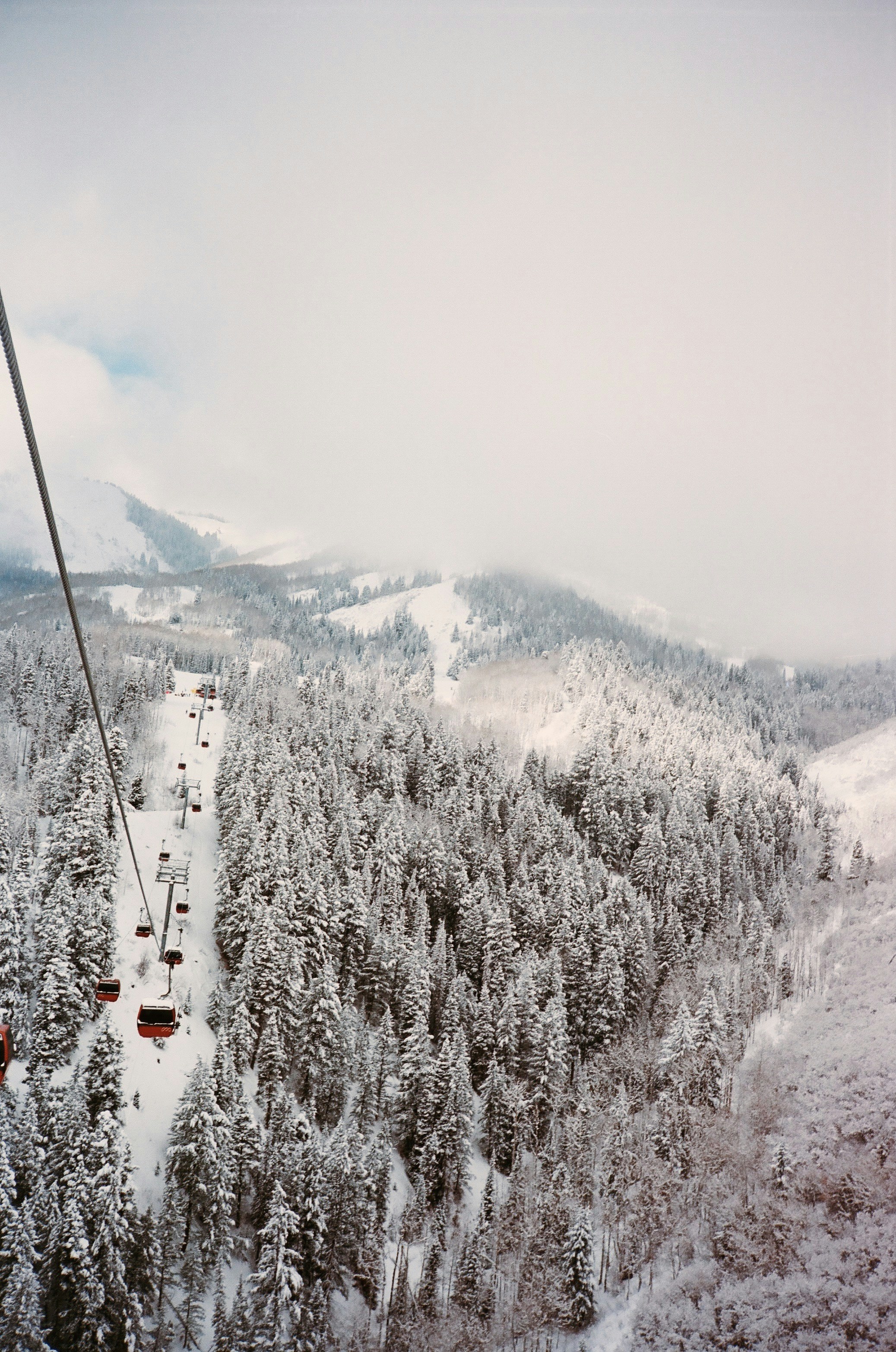
Ski-access season — why club calendars collide with winter real-estate tours; club dues and resort tickets stay separate stacks. Photo: Mollie Moran / Unsplash License.
Seller disclosure checklist (process, not pitch)
If you’re refreshing a Q4 listing package in a private-club community, the kitchen-table list is usually:
- Does a membership convey with this resale, sell separately, or sit on a waitlist?
- What category is it — use the club’s own labels?
- Can the membership office put current initiation / deposit, annual dues, capital dues, assessments, refundability, and dependent rules in writing dated for this transfer?
- Which costs are club vs HOA vs transfer fee?
- What do official amenity pages actually include — so showing language matches published inventory?
That checklist is diligence around real estate and ownership costs. It is not me selling a membership or ranking clubs. Stick to published amenity inventories and written membership rules — fair housing stays clean that way.
Final takeaway
Q4 club math is a calendar and a verification stack — not a ranking. Read what official amenity pages actually publish, treat broker headlines and guide flipbooks as secondary until the club confirms, and keep deposit, dues, HOA, and transfer fees on separate lines. Glenwild dollars stay pending club confirmation here on purpose. Before spring tours intensify, get the written schedule in hand for the club and the transfer you’re actually dealing with.
If you want help mapping membership status and written club costs against a specific listing or sale timeline before spring tours intensify, I’m glad to sit at that kitchen table with you — club schedule in writing, HOA packet beside it, no membership pitch from this chair.
Talk with Esteban J. Nunez — Park City Realtor.
Categories
Recent Posts




,_Apr_16.jpg)