Before the hard freeze: heated driveway, garage, and pipe systems buyers actually ask about
You’re standing in a listing and the remarks say “heated driveway,” “radiant garage,” or “heat tape.” Late October is when that language stops being brochure and starts being a system you can still verify — before the hard-freeze window deepens and ski traffic fills the calendar.
Park City’s median hard freeze (28°F) sits around October 6 on the long-term normals, with severe freezes (24°F) clustering toward late October. Those are planning averages from NOAA-based frost tables — not a forecast for any one storm. What they do tell you is simple: if you care about snowmelt, garage radiant, and pipe protection as features of the house, this is the week to ask how the systems actually work.
This is not a lock-and-leave winterization checklist, and it’s not a condo-dues vs. owner-plow cost compare. It’s a systems walkthrough for buyers who want the heated systems on the listing to match what’s under the slab and on the roof edge.

Heated hardscape clearing snow — illustrative snowmelt mood, not a Park City address for sale. Photo: Daniel Morrison, Wikimedia Commons, CC BY 2.0.

Hydronic or electric — start there
Residential snowmelt usually comes in two flavors. Hydronic runs heated fluid (often a glycol mix) through tubing in the slab or hardscape, tied to a boiler or heat exchanger, circulator, and manifold — often zoned so apron, lanes, and walks can run separately. Electric uses resistance cables or mats in the slab with a controller and sensors; the footprint is usually smaller, which is why you’ll see it on walks, steps, and garage aprons more often than on a long mountain driveway.
Both types need a heating element, sensors, a power or heat source, and a controller. Automatic setups commonly watch temperature plus moisture so the system isn’t idling on a cold, dry night. Industry overviews from Concrete Network and local Park City trade pages describe the same split: hydronic for larger multi-zone driveways, electric for smaller surfaces. Ask which one is installed before you compare two “heated driveway” listings as if they were the same system.
Local installers also note the mountain motivators you’ll feel on a tour: steep approaches, shaded ice, and freeze–thaw wear on hardscape. Retrofit is possible; install before the pour is preferred. That is local-trade context — not a City ordinance, and not a price quote.

Snowmelt tubing in a slab before pour — illustrative install visual, not a local listing. Photo: Saninfo1993, Wikimedia Commons, CC BY-SA 4.0.

Does the garage share the plant?
On hydronic houses, the next question is whether driveway melt and garage radiant are separate zones with their own sensors and controls — or whether they share one plant that may also feed a mudroom or domestic hot water. Trade snowmelt primers talk about slab sensors per zone and plants that can add garage heat; your inspector’s job is to map this house, not a textbook diagram.
What you want on paper: a zone map, sensor locations, and a clear answer on whether the garage floor can run without melting the full driveway. Shared plants aren’t bad — they just change how you operate the house in shoulder season and how you budget service calls.

Snow on a garage approach — garage radiant mood — not a listing. Photo: Pexels / Pexels License.
Heat tape and pipe protection are their own system
Roof-edge ice-dam cable and vulnerable-pipe heat tape are not the same thing as a heated driveway slab. Local plumbing trade framing for Park City’s freeze–thaw climate leans on commercial-grade self-regulating heat cable at roof edges and exposed pipe runs, alongside insulation. Ask for make and model, UL or product literature, and which runs are actually protected — eaves only, or specific pipe chases too.
Municipal plow season still starts on its own clock. Park City Public Works prepares crews roughly November 1 through April 30. Heated hardscape is a property feature; it does not replace City or County plow rules on public ways. Keep that boundary clear when you’re reading listing language.
What to ask the seller and inspector to show you
Before you treat “heated systems” as settled, walk this buyer checklist on the property:
- Identify hydronic vs electric for each heated surface.
- Locate the controller, sensors, boiler/manifold, or breaker panels.
- Run a test cycle if weather and seller access allow.
- Request as-builts, zone maps, and service records.
- On hydronic: ask about glycol service history; on electric: GFCI protection and circuit capacity.
- List which surfaces are heated — full slab, wheel tracks, apron, walks, steps, roof edge, or interior floors.
Luxury inventory here often includes snowmelt on roofs, driveways, walks, and interior floors. Local inspectors flag the need for experience with complex systems; thermal imaging is sometimes used to spot moisture or radiant issues. That is inspection scope — not a City requirement and not a promise that every listing was designed to the same load.
When design questions come up, Park City’s current Design Criteria 2026 still points applicants toward site-specific snow-load tools (including the USU Utah Ground Snow Load Map) — the ground snow load column says “See Below,” so there’s no single Park City psf for a blog to quote. Use that as design context if you’re asking whether snowmelt or radiant work was permitted to local criteria — then confirm with the building file and licensed pros on your transaction.
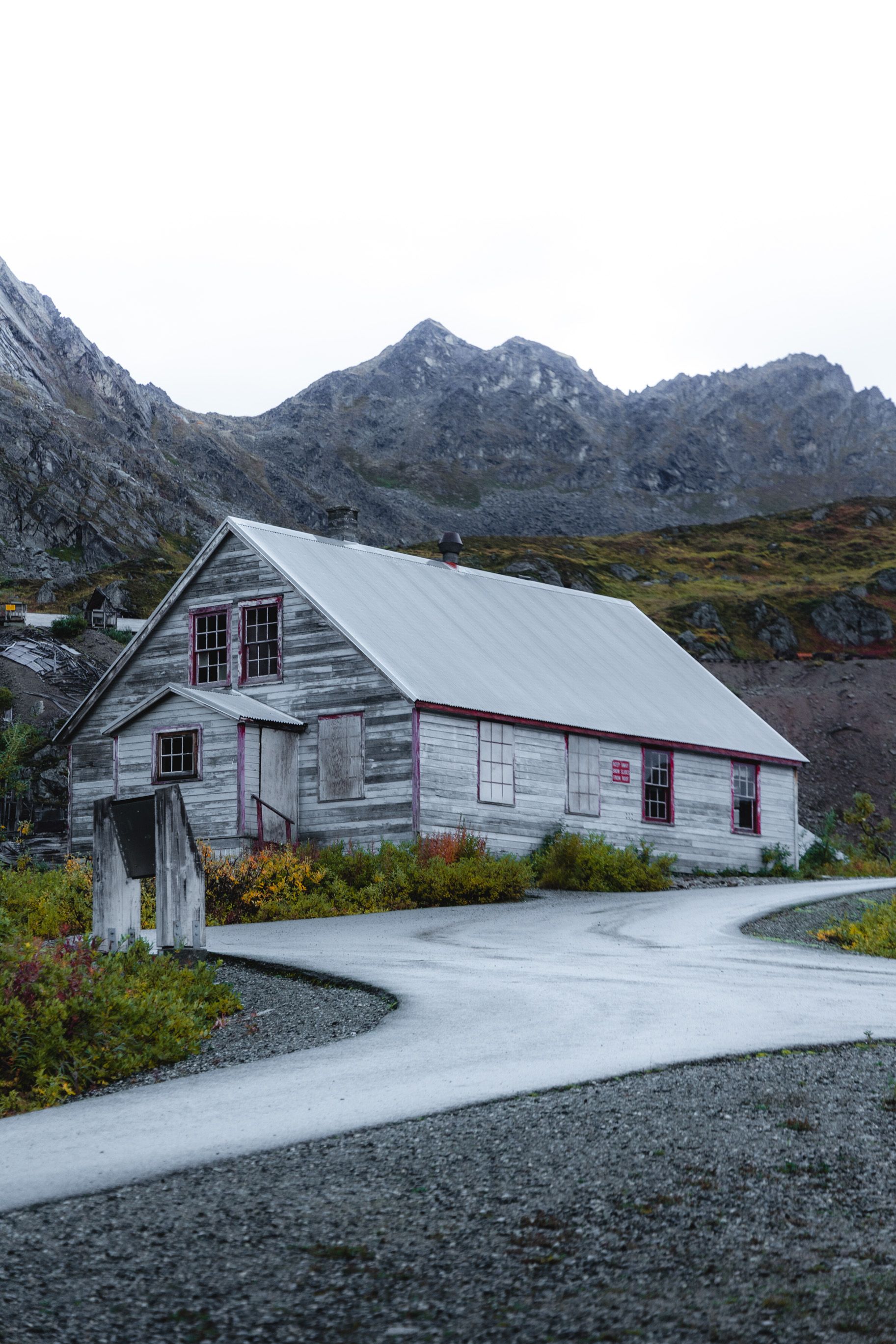
Mountain driveway approach — ask which parts of the hardscape are actually heated. Photo: Pexels / Pexels License.
Leave brochure dollars on the table
Operating costs, install dollars, glycol percentages, and “keeps the slab at X°F” setpoints are system-specific. Marketing pages quote wide national bands; none of those belong in a Park City blog as averages. Whether “heated driveway” means full slab or wheel-path strips is listing-specific — verify on site. HOA rules on exterior heat tape, runoff, or idle noise live in that community’s CC&Rs. Insurer credits, if any, are policy-specific.
If a listing ties snowmelt language to a private club amenity, keep club membership separate from resort lift access. Clubs are not ski resorts, and a heated apron is not a season pass.
None of this is engineering or legal advice. Recorded documents, the licensed inspector and contractors you choose, and the product literature for the installed equipment control the details.
If you’re under contract on a house that advertises heated driveway, radiant garage, or heat tape — and you want a calm map of what to demonstrate before the freeze deepens — I’m glad to walk the disclosures and inspection scope for that address with you.
Talk with Esteban J. Nunez — Park City Realtor.
Categories
Recent Posts